Documentary Scores and Lineup Shakeups: Creative Diversification Transforms Metal's Professional Landscape
The modern metal landscape is witnessing an unprecedented wave of creative diversification as musicians expand beyond traditional album cycles into documentary scoring, while strategic lineup changes reveal how bands prioritize artistic evolution over nostalgic stability. These developments signal a fundamental shift in how metal professionals view their careers and creative opportunities.
Cinematic Scoring Becomes Metal's New Frontier
Metal Church's Kurdt Vanderhoof recently tackled one of the music industry's most challenging creative territories: documentary film scoring. His work on a feature documentary about BMX legend and stuntman Eddie Fiola represents a growing trend of metal musicians leveraging their compositional skills for visual media. The project required Vanderhoof to balance his metal sensibilities with the narrative demands of documentary filmmaking, creating music that serves the story rather than commanding attention.
This type of creative expansion reflects how experienced metal musicians are diversifying their professional portfolios. Documentary scoring demands different skills than album composition—the music must enhance rather than dominate, support emotional arcs rather than create them, and maintain thematic consistency across varied footage. For metal composers, this represents both a creative challenge and a lucrative opportunity in an industry where traditional revenue streams continue evolving.
Ohio's metal scene has produced numerous musicians with the compositional depth necessary for such projects. The state's diverse metal community, ranging from progressive acts like Twist of Fate to experimental groups like SpaceCore, demonstrates the kind of creative versatility that translates well to film scoring work. As streaming platforms increase demand for original content, metal musicians with strong compositional backgrounds may find significant opportunities in this expanding market.
Death Metal Production Cycles Accelerate
Ohio death metal powerhouse 200 Stab Wounds has completed work on their next album, continuing the band's impressive momentum in the extreme metal underground. The Cleveland-based group has established themselves as one of the most promising acts in contemporary death metal, building a reputation for uncompromising brutality and technical precision that has garnered attention from both critics and peers.
Their rapid album completion suggests a band operating at peak creative efficiency. In an era where many metal acts struggle with extended production cycles, 200 Stab Wounds appears to have mastered the balance between artistic perfectionism and practical productivity. This approach has become increasingly valuable as streaming platforms reward consistent content release over sporadic masterpieces.
The band's success exemplifies how Ohio's death metal scene continues producing nationally relevant acts. The state's brutal music community has always emphasized substance over style, creating an environment where bands like 200 Stab Wounds can develop their sound without external pressure to conform to trends. This authenticity has proven crucial in building lasting careers in extreme metal's competitive landscape.
Strategic Lineup Evolution Replaces Traditional Stability
The recent lineup changes within grindcore act Escuela Grind illustrate how modern metal bands approach personnel shifts with strategic thinking rather than crisis management. Rather than treating member departures as catastrophic events, forward-thinking bands now view lineup changes as opportunities for creative evolution and role optimization.
Escuela Grind's approach—featuring a drummer transitioning to guitar while simultaneously recruiting a new drummer—demonstrates sophisticated band management. This type of internal role shifting allows bands to maintain institutional knowledge while incorporating fresh perspectives. The strategy reflects how modern metal musicians view band membership as fluid rather than fixed, prioritizing collective goals over traditional role assignments.
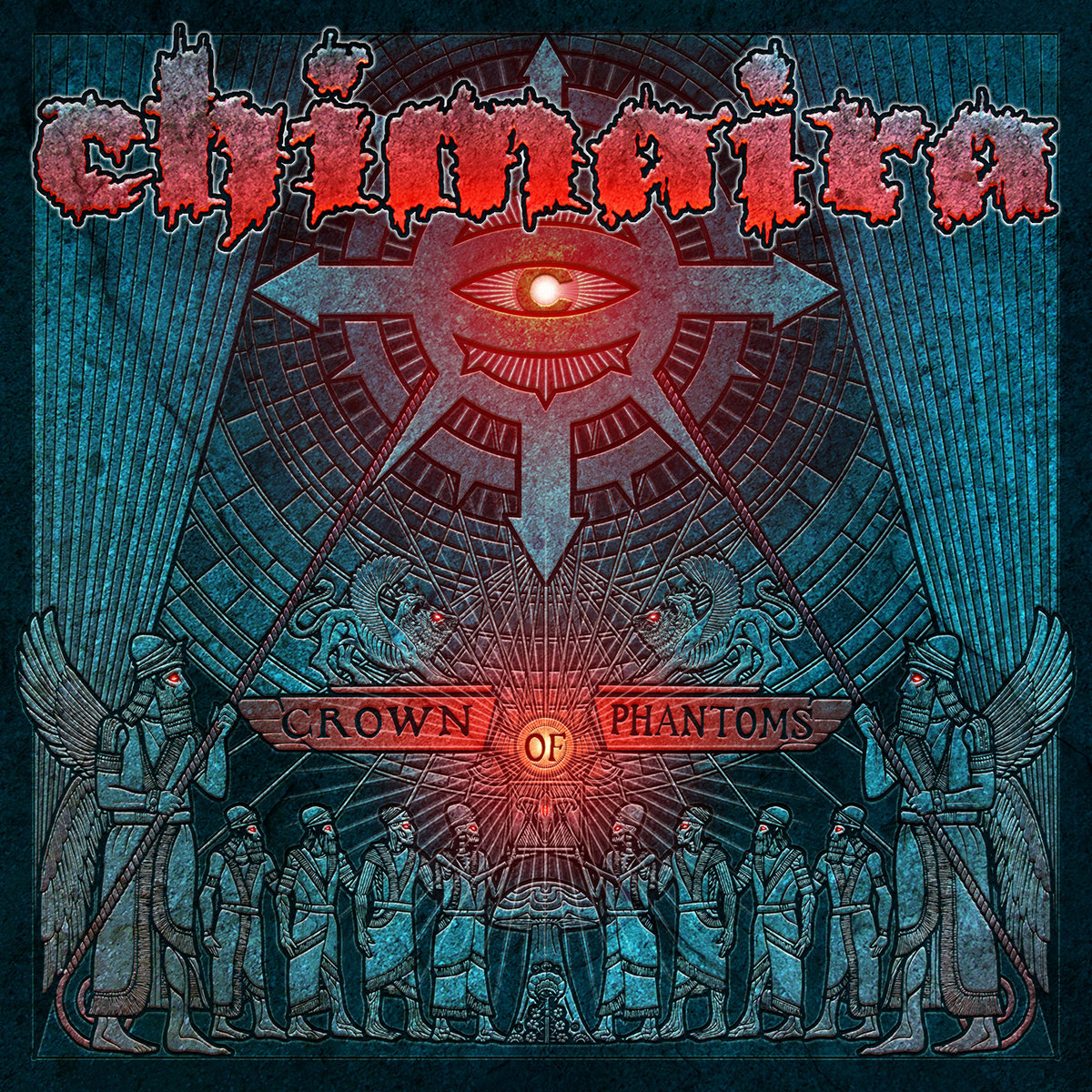
This evolution in band dynamics has particular relevance for Ohio's metal scene, where numerous acts have navigated lineup changes while maintaining creative momentum. Bands like Chimaira and Mushroomhead have demonstrated how strategic personnel decisions can revitalize rather than derail musical projects, providing templates for emerging acts facing similar challenges.
Legacy Acts Redefine Touring Economics
Testament's "Thrash Of The Titans" tour with Overkill and Destruction represents the kind of strategic collaboration that has become essential for veteran metal acts. By combining forces, these thrash legends create events that transcend individual band performances, offering fans comprehensive genre experiences while sharing touring costs and promotional responsibilities.
This collaborative approach has particular significance for what metal bands are touring in 2026, as rising production costs make solo touring increasingly challenging for all but the most successful acts. Multi-band packages allow veteran groups to maintain professional touring standards while reaching audiences who might not attend individual shows. The strategy also creates opportunities for cross-pollination between fanbases, potentially expanding each band's reach.

Ohio venues have long embraced this multi-act approach, with festivals like Sonic Temple demonstrating the economic and artistic benefits of comprehensive metal programming. The state's venue operators and promoters understand that modern metal audiences often prefer diverse lineups over single-act performances, creating opportunities for both touring acts and local support bands.
Defense of Artistic Evolution Gains Prominence
Judas Priest's Richie Faulkner recently articulated a pragmatic defense of bands touring without classic lineups, arguing that audience satisfaction should determine commercial viability rather than nostalgic expectations. His position reflects growing industry recognition that artistic evolution often requires personnel changes, and that maintaining creative momentum may be more important than preserving historical configurations.
This perspective has particular relevance for 80s metal bands and other veteran acts navigating the tension between fan expectations and practical realities. The argument suggests that authentic artistic expression may require lineup changes, and that bands should prioritize creative integrity over nostalgic satisfaction. For audiences, this means accepting that their favorite acts may evolve beyond familiar configurations while potentially discovering new creative heights.
The debate touches on fundamental questions about artistic ownership and fan entitlement that affect metal acts across all career stages. Ohio's metal community has generally embraced this evolutionary approach, supporting bands through lineup changes while maintaining focus on musical quality and live performance standards.
Cross-Media Recognition Expands Metal's Cultural Footprint
The recent intersection of metal culture with mainstream entertainment—including television personalities testing audiences on Slipknot lyrics—demonstrates how extreme music has penetrated popular consciousness. These crossover moments represent significant cultural validation for metal's artistic and commercial significance, potentially opening new audience segments to the genre's depth and complexity.
Such recognition reflects metal's evolution from subcultural phenomenon to acknowledged art form, with mainstream media increasingly treating the genre as culturally significant rather than merely sensational. For regional scenes like Ohio's, this broader acceptance creates opportunities for local acts to reach beyond traditional metal audiences while maintaining their artistic integrity.
The trend suggests that new metal bands 2026 may find more diverse career paths available than previous generations, with opportunities in film, television, and other media providing alternative revenue streams and creative outlets. Ohio's metal scene, with its strong emphasis on musical proficiency and creative innovation, appears well-positioned to capitalize on these expanding opportunities.
As the metal industry continues evolving, the musicians and acts demonstrating the greatest adaptability and creative diversity appear most likely to thrive. Whether through documentary scoring, strategic collaboration, or cross-media recognition, today's metal professionals are discovering that success requires thinking beyond traditional industry boundaries while maintaining the artistic integrity that defines the genre's enduring appeal.