Streaming Supremacy and Final Farewells: Metal's Digital Evolution Meets Deathcore Drama
The streaming wars have officially reached metal's upper echelons, with legendary acts crossing the billion-play threshold while underground deathcore bands orchestrate dramatic farewell tours that blur the lines between ending and beginning. This week's developments reveal how digital dominance and theatrical departures are reshaping both mainstream metal's commercial landscape and the extreme underground's storytelling approach.
The Billion Club Expands: Metal's Streaming Victory
System of a Down, Disturbed, and Soundgarden have joined the exclusive ranks of artists with tracks surpassing one billion Spotify streams, marking a significant milestone for metal's digital footprint. This achievement demonstrates how classic metal anthems continue to find new audiences decades after their initial release, with streaming algorithms introducing younger listeners to genre-defining tracks that shaped metal's evolution.
The inclusion of Three Days Grace alongside these titans proves that post-grunge and alternative metal acts have maintained their relevance in the streaming era. Their billion-stream achievement reflects the enduring appeal of emotionally-charged metal that resonated with multiple generations of listeners seeking cathartic release through heavy music.
For Ohio's metal scene, these streaming milestones offer valuable insights into audience engagement strategies. Local death metal powerhouses like Suffer and doom metal veterans Three can study how these established acts built lasting digital presences that transcend traditional album cycles and touring schedules.
Deathcore's Resurrection Drama: Bloodbather's Final Act
Perhaps the most intriguing development comes from deathcore's theatrical tendencies, with bands like Bloodbather announcing their return from an alleged breakup only to simultaneously declare their upcoming release as a farewell album. This "comeback-farewell" strategy represents a new approach to band mythology that capitalizes on scarcity marketing while maintaining creative momentum.
The deathcore scene has always embraced dramatic narratives, but this trend of resurrection followed by immediate farewell announcements suggests a more calculated approach to fan engagement. By creating artificial scarcity around their final release, bands generate urgency that translates to immediate streaming and merchandise sales while preserving the option for future "surprise" comebacks.
Ohio's deathcore acts can learn from this theatrical approach while maintaining authenticity with their audiences. The key lies in balancing dramatic storytelling with genuine artistic vision, ensuring that marketing strategies enhance rather than overshadow the music itself.
Terror's Hardcore Evolution and Cross-Genre Collaboration
Terror's upcoming release "Still Suffer" showcases how veteran hardcore bands are expanding their sound through strategic collaborations with artists from different musical backgrounds. The inclusion of Hot Water Music's Chuck Ragan demonstrates how hardcore's aggressive foundation can support more melodic elements without sacrificing its core intensity.
This collaboration trend reflects hardcore's growing confidence in its ability to absorb influences while maintaining its essential character. Rather than viewing cross-genre partnerships as compromises, bands are treating them as opportunities to reach new audiences while offering existing fans fresh perspectives on familiar formulas.
Scott Vogel's discussions about current hardcore bands and regional scenes highlight how veteran acts serve as mentors and advocates for emerging talent. This mentorship culture strengthens local scenes by creating networks of support that extend beyond simple touring partnerships into genuine artistic development relationships.
Megadeth's Personnel Shifts and Creative Direction
Kiko Loureiro's departure from Megadeth after nine years reveals the complex personal and professional factors that influence lineup changes in established metal bands. His decision, influenced by family considerations and geographic challenges, demonstrates how modern metal musicians must balance artistic ambitions with personal responsibilities in an increasingly global music industry.
The guitarist's multinational perspective—Brazilian-born, Finland-based, touring globally with an American thrash metal institution—reflects metal's international nature and the practical challenges this creates for band stability. His departure opens discussions about how legacy bands adapt to changing personal circumstances while maintaining their creative momentum.
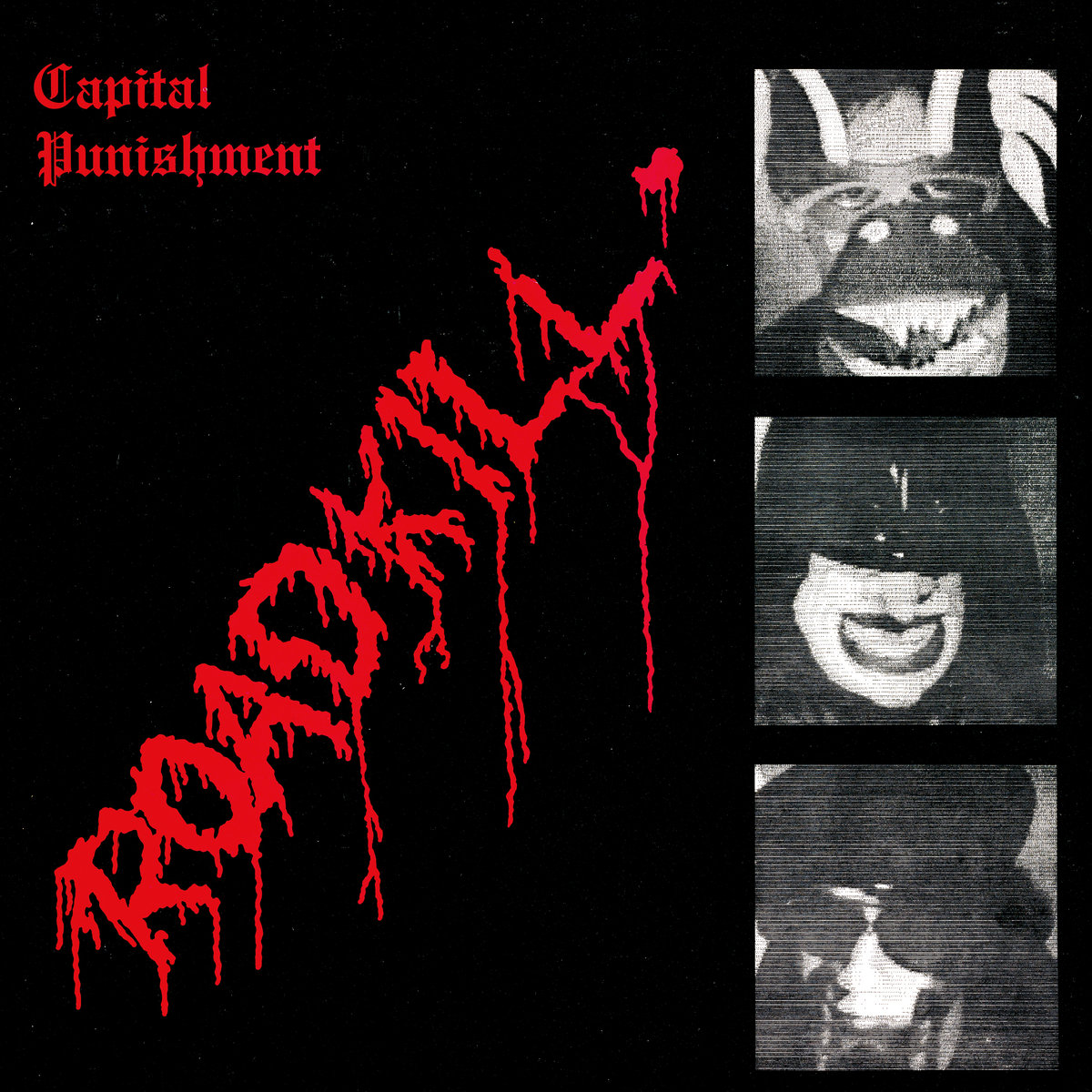
For Ohio's thrash metal scene, Loureiro's situation illustrates the importance of regional support networks that allow musicians to pursue ambitious projects without completely abandoning their local communities. Bands like Ground Zero and Capital Punishment can build sustainable careers by developing strong regional foundations that support rather than restrict their broader ambitions.

Nevermore's Resurrection and Vocalist Strategy
Nevermore's return with new vocalist Berzan Önen represents a fascinating case study in how legendary bands approach the challenge of replacing irreplaceable members. Jeff Loomis's statement about not wanting a Warrel Dane clone suggests a mature understanding of how tribute approaches often fail while original interpretations can succeed.
The band's decision to debut their new lineup in Istanbul before announcing broader touring plans demonstrates confidence in their artistic direction while acknowledging the need to prove themselves to skeptical audiences. This strategic approach allows them to refine their presentation before facing the intense scrutiny that accompanies major market performances.
Progressive metal acts throughout Ohio can apply Nevermore's approach by embracing change rather than attempting to recreate past glories. The key lies in respecting legacy material while allowing new members to contribute their own interpretations and ideas.
Industry Infrastructure and Artist Recognition
The week's developments also highlight ongoing changes in how the metal industry recognizes and rewards artistic achievement. From Spotify's billion-stream milestones to mainstream media coverage of cross-genre collaborations, metal continues to gain broader cultural recognition while maintaining its underground credibility.
Clutch's "Earth Rocker" remaster announcement reflects how established acts are leveraging their back catalogs for both artistic and commercial purposes. Vinyl reissues serve multiple functions: they satisfy collector demand, introduce classic material to new audiences, and provide revenue streams that support current creative projects.
The Fest's 2026 lineup announcement, featuring bands like Torche alongside punk acts, demonstrates how festival programming increasingly ignores traditional genre boundaries in favor of audience appeal and artistic quality. This trend creates opportunities for Ohio bands that resist easy categorization but deliver compelling live performances.
Regional Implications and Future Opportunities
These national developments create specific opportunities for Ohio's metal scene. The streaming success of established acts proves that heavy music maintains broad appeal when properly promoted and distributed. Local bands can study how billion-stream tracks achieve their status through consistent quality, memorable hooks, and strategic playlist placement.
The theatrical approach exemplified by deathcore's farewell-comeback strategies offers lessons in audience engagement that extend beyond extreme metal. Ohio acts across all heavy music subgenres can develop compelling narratives around their releases and performances without sacrificing artistic integrity.
Most importantly, the emphasis on collaboration and cross-genre experimentation creates space for Ohio's diverse metal community to explore new creative territories. From doom metal innovators to hardcore veterans, the current industry climate rewards authenticity and originality over strict adherence to genre conventions.
As streaming metrics become increasingly important for booking agents and label interest, Ohio bands must balance digital strategy with the live performance excellence that has always defined the region's metal scene. The most successful acts will be those that use digital platforms to amplify rather than replace their fundamental artistic strengths.