Arch Enemy's New Era and Hardcore's Digital Resistance Highlight Metal's Cultural Authenticity Wars
The metal world is witnessing a fascinating cultural collision as established acts embrace technological change while underground scenes fight to preserve their authentic roots. This tension is playing out in real time through major lineup changes, streaming milestones, and a growing philosophical divide about what metal culture should become in the digital age.
Leadership Transitions Signal Genre Evolution
Arch Enemy's recent Japanese tour dates have marked a significant milestone for the Swedish melodic death metal institution. The band's performances in Tokyo represent the first major international showcases for new vocalist Lauren Hart, following her recruitment from Once Human to replace longtime frontwoman Alissa White-Gluz. This transition comes at a crucial time for melodic death metal, as the subgenre continues to balance accessibility with extremity.
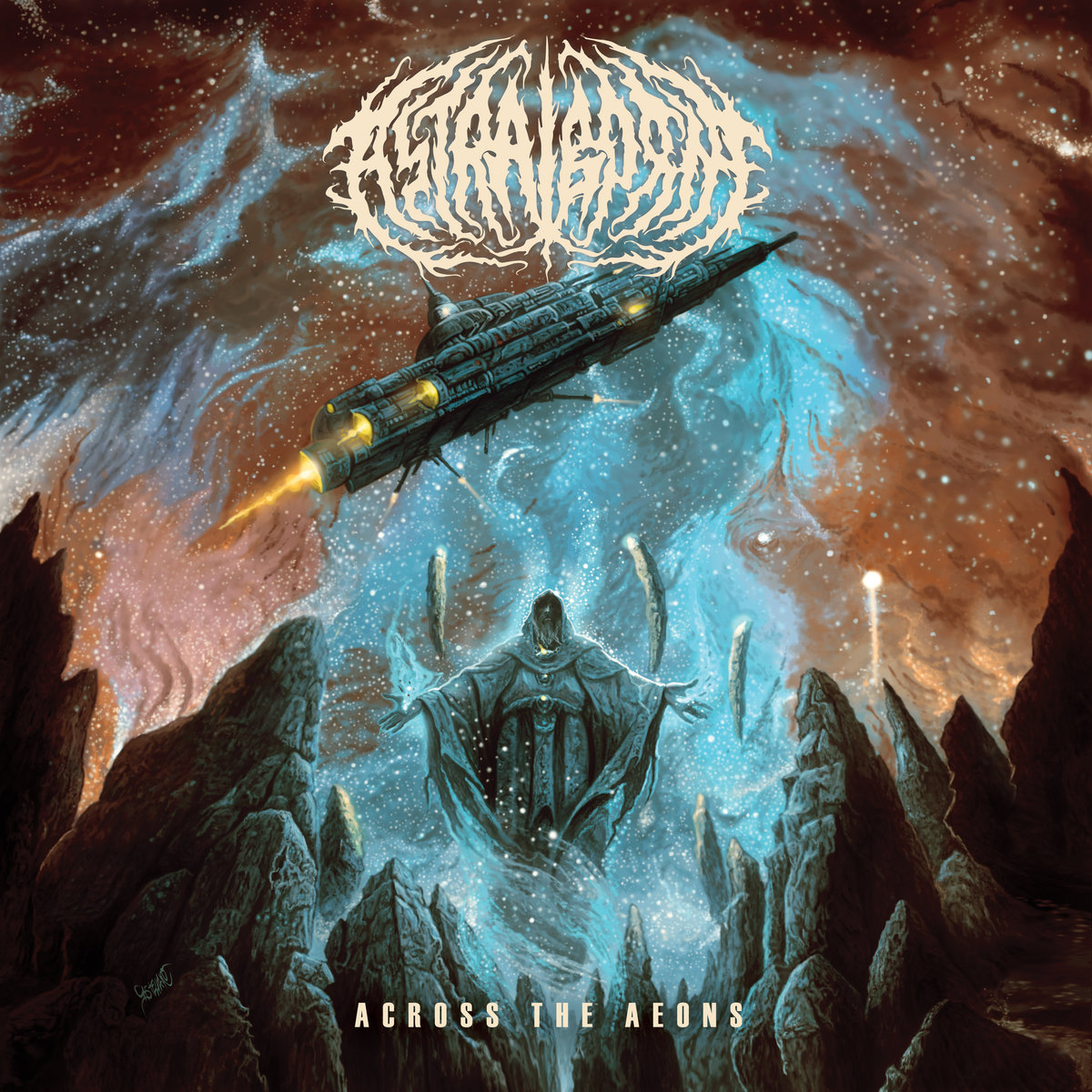
Hart's integration into Arch Enemy's established formula represents more than just a personnel change—it reflects the ongoing evolution of melodic death metal as a commercially viable yet artistically demanding genre. For Ohio's melodic death metal practitioners like Astralborne and The Behest of Serpents, Arch Enemy's successful transition offers a blueprint for maintaining intensity while embracing change.
The strategic nature of this lineup shift becomes even more apparent when viewed alongside the band's aggressive touring schedule. Following their seven-date Chinese tour, Arch Enemy's commitment to international markets demonstrates how established metal acts are prioritizing global reach over regional limitations. This approach contrasts sharply with the local-first philosophy that has traditionally defined underground metal culture.
Technical Death Metal's European Dominance
While Arch Enemy focuses on international expansion, Canada's Archspire is preparing to dominate European stages later this year with a carefully curated package tour. The technical death metal virtuosos have assembled a supporting lineup featuring Crown Magnetar, The Zenith Passage, and Analepsy—a combination that promises to showcase the most demanding aspects of modern extreme metal.
Archspire's European tour strategy reveals how technical death metal has become increasingly sophisticated in its market approach. Rather than simply booking shows, the band has created a comprehensive educational experience for audiences seeking the most complex forms of metal expression. This level of planning sets a standard that Ohio's technical metal acts should study carefully.
The inclusion of Crown Magnetar and The Zenith Passage as support acts demonstrates how technical death metal has developed its own internal ecosystem of mutual promotion. These partnerships reflect a maturity within the scene that goes beyond simple opening slot arrangements to create genuine artistic dialogues between complementary acts.
Hardcore's Anti-Digital Philosophy Challenges Metal's Future
Perhaps the most intriguing development in current heavy music discourse comes from Speed's recent statements about hardcore's relationship with digital culture. The band's vocalist has articulated a position that hardcore music fundamentally cannot exist in online spaces or comment sections, arguing that the genre's essential nature requires physical presence and real-world community interaction.
This philosophy directly challenges the direction that most of metal has taken over the past decade. While bands like System of a Down celebrate joining Spotify's billion-stream club, hardcore purists are arguing that such digital achievements actually represent a betrayal of their music's core principles. The tension between these worldviews has significant implications for how different metal subgenres will develop their cultural identities.
For Ohio's hardcore and thrash metal scenes, this debate carries particular weight. Bands like Ringworm and War Curse must navigate between maintaining underground credibility and reaching audiences through digital platforms. The question becomes whether authenticity requires rejecting technological tools or finding ways to use them without compromising artistic integrity.
Cross-Genre Collaborations Blur Traditional Boundaries
The recent collaboration between My Chemical Romance's Gerard Way and death metal outfit Frozen Soul represents another significant development in metal's ongoing boundary dissolution. Their joint performance in Los Angeles, supporting their collaborative track "No Place Of Warmth," demonstrates how established alternative acts are finding common ground with extreme metal practitioners.
This type of high-profile cross-pollination creates opportunities for regional scenes to experiment with similar combinations. Ohio's diverse metal landscape, which includes everything from the industrial metal of Mushroomhead to the death metal brutality of 200 Stab Wounds, provides an ideal environment for exploring unexpected musical partnerships.
The success of these collaborations also highlights how metal's cultural reach extends far beyond its traditional boundaries. When established alternative rock figures like Gerard Way embrace death metal aesthetics, it validates the genre's artistic sophistication while potentially introducing extreme metal to new audiences.
Streaming Success Versus Underground Values
System of a Down's recent entry into Spotify's billion-stream club alongside Foo Fighters represents the continuing normalization of metal within mainstream digital platforms. These achievements demonstrate that metal content can compete effectively with any other genre in terms of sustained audience engagement and repeat listening.
However, this commercial success creates philosophical tensions within metal culture. While streaming numbers provide concrete evidence of metal's cultural impact, they also represent participation in the same digital systems that hardcore purists argue are fundamentally incompatible with heavy music's authentic expression.
For Ohio metal bands navigating these waters, the challenge involves finding strategies that leverage digital platforms without surrendering the community-focused values that have traditionally defined metal culture. The most successful approaches will likely combine strong online presence with meaningful real-world engagement.
Looking Forward: Balancing Innovation and Tradition
The current developments in metal culture suggest that 2026 will be defined by ongoing negotiations between traditional values and technological opportunities. Bands that successfully navigate these tensions will likely emerge as leaders in their respective subgenres, while those that fail to adapt may find themselves marginalized.
Ohio's metal scene is particularly well-positioned to lead these conversations. The state's combination of established venues, diverse musical styles, and strong community networks provides an ideal laboratory for testing new approaches to metal culture. Whether through the doom metal explorations of bands like Christmas and Tomorrow, or the thrash metal traditions maintained by SSA and Psycopath, local acts have the resources and community support necessary to chart new directions for heavy music.

The key will be maintaining the collaborative spirit that has always defined metal's best moments while embracing the tools and opportunities that contemporary technology provides. The bands that master this balance will help determine what metal culture looks like for the next generation of practitioners and fans.
As these cultural battles continue to unfold, Ohio's metal community should view them as opportunities rather than obstacles. The state's rich musical history and diverse contemporary scene provide a strong foundation for contributing meaningful perspectives to these ongoing conversations about metal's future direction.