Megadeth's Lineup Evolution and Terror's Hardcore Fusion Highlight Metal's Strategic Collaboration Era
The metal world is witnessing a fascinating shift in how bands approach collaboration and lineup changes, with major developments from Megadeth's recent personnel decisions to Terror's hardcore fusion experiment sparking conversations about strategic partnerships that could reshape Ohio's diverse metal landscape.
The New Era of Strategic Departures
Kiko Loureiro's departure from Megadeth after nine years represents more than just another lineup change—it signals a new era where veteran musicians are making calculated decisions about their careers based on personal priorities rather than simply chasing the biggest paychecks. The Brazilian guitarist's choice to prioritize family life in Finland over continued touring with one of thrash metal's most demanding acts reflects a maturity that's becoming increasingly common among seasoned players.
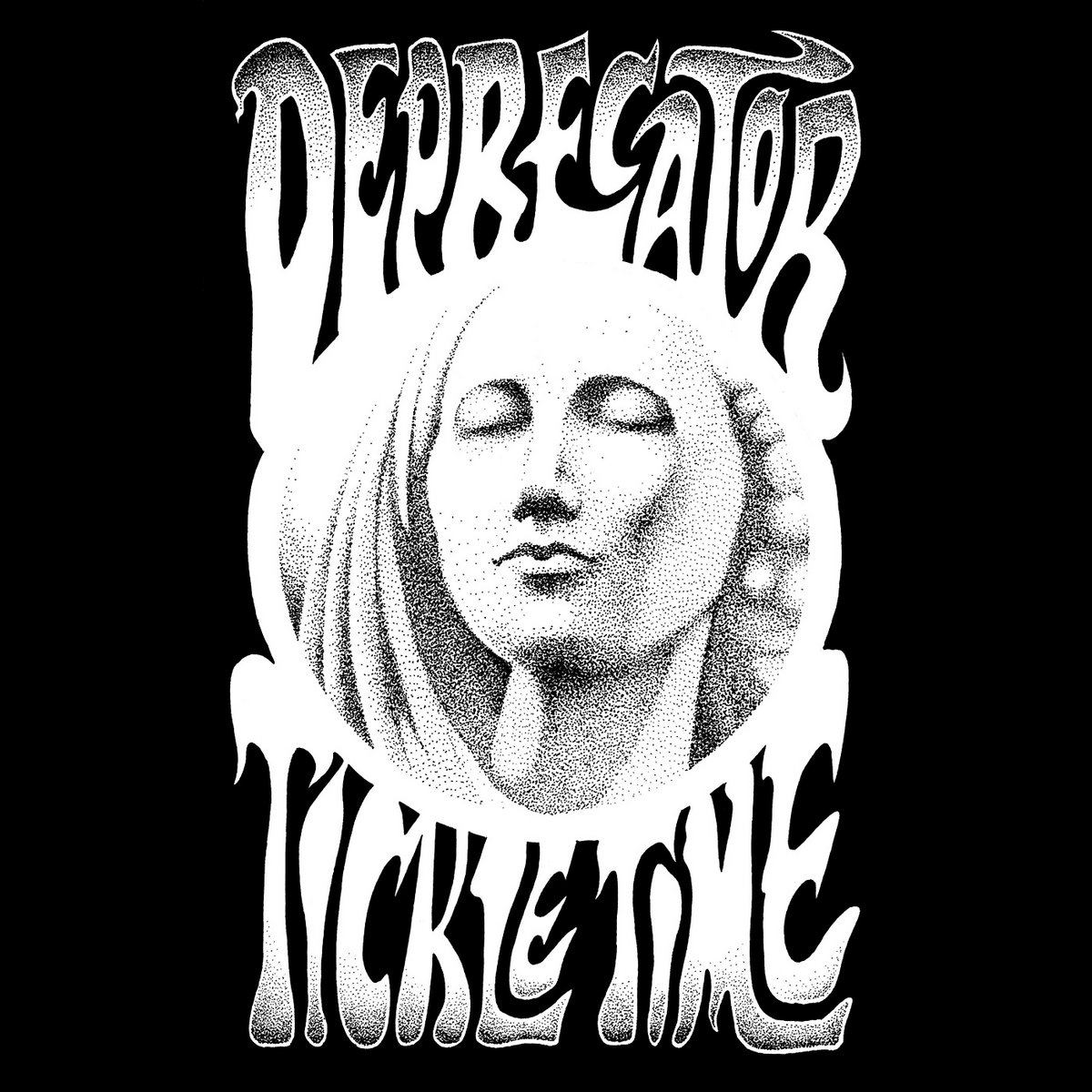
This trend toward thoughtful career management is particularly relevant for Ohio's established metal acts, where musicians often balance day jobs, family responsibilities, and creative ambitions. Local thrash veterans like Deprecator and Torment have long understood this balancing act, maintaining consistent lineups while carefully choosing their battles in terms of touring and recording commitments.
The ripple effects of high-profile departures like Loureiro's create opportunities throughout the metal ecosystem. When major bands need replacement musicians, it often triggers a cascade of movement that can benefit regional scenes. Ohio's deep pool of technical players in bands like Subtype Zero and HateDriven positions the state well to contribute to this talent circulation.
Cross-Genre Collaboration as Creative Strategy
Terror's collaboration with Hot Water Music's Chuck Ragan on their new single "Fear The Panic" represents a bold experiment in cross-pollination between hardcore punk and more melodic alternative rock sensibilities. This type of strategic collaboration is becoming increasingly important as bands seek ways to expand their audiences without compromising their core identity.
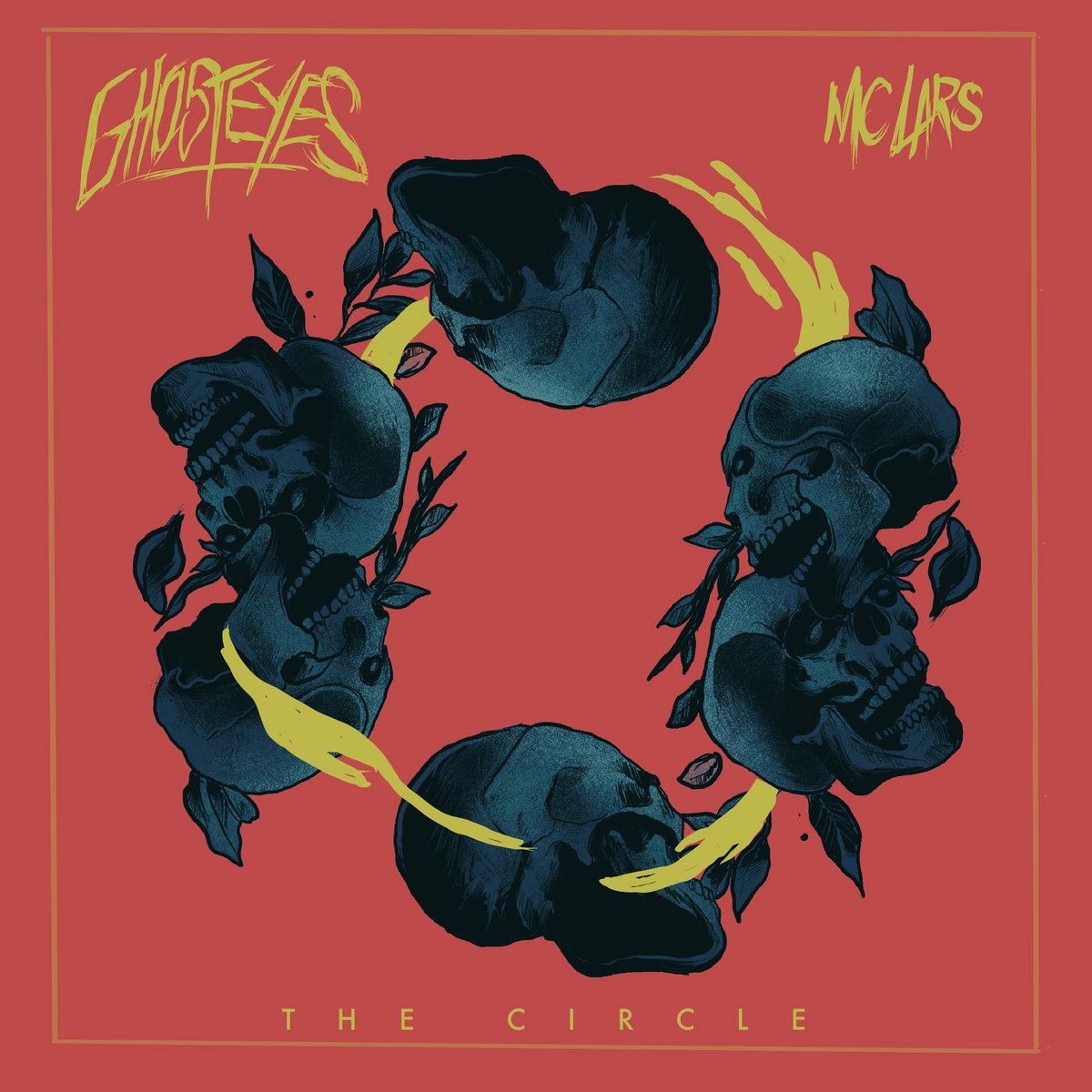
For Ohio's hardcore and metal acts, this model offers valuable lessons. The state's rich tradition of crossover between metal and hardcore—evident in bands like Ringworm and Ghost Eyes—provides a natural foundation for similar experimental partnerships. The key is finding collaborators whose strengths complement rather than compete with your band's established sound.
These collaborations also serve a practical purpose in today's fragmented music landscape. By working with artists from adjacent scenes, metal bands can tap into different fan bases and touring networks. Terror's choice to work with a respected figure from the folk-punk world demonstrates how strategic partnerships can bridge generational and stylistic gaps.
The Anniversary Reissue Renaissance
Slayer's 40th-anniversary treatment of "Hell Awaits" exemplifies how legacy acts are leveraging their catalogs to maintain relevance and generate revenue streams. This trend toward elaborate reissue campaigns reflects both fan demand for premium physical products and bands' need to capitalize on their historical significance.
Ohio's metal veterans can learn from this approach, particularly bands with significant catalog depth. The key is understanding which releases resonate most strongly with fans and deserve the deluxe treatment. Local acts with strong early releases should consider how strategic reissues could introduce their music to newer generations while rewarding longtime supporters.
The success of these anniversary campaigns also highlights the enduring appeal of physical media in metal. Ohio's strong record store culture and passionate collector base make the state particularly receptive to limited-edition vinyl releases and elaborate packaging. Bands like Three, with their doom metal approach that appeals to vinyl enthusiasts, are well-positioned to benefit from this trend.
Session Musicians and Touring Flexibility
Former Megadeth drummer Shawn Drover's upcoming appearances with Accept as a "special guest artist" represents another emerging trend: the rise of high-profile session work and flexible touring arrangements. This model allows experienced musicians to stay active without committing to full-time band membership, while giving established acts access to proven talent for specific situations.
This approach offers significant benefits for Ohio's metal scene, where many talented musicians have other commitments that prevent full-time touring. The session model allows these players to contribute to recording projects and special performances without abandoning their primary responsibilities. It also creates opportunities for younger musicians to gain experience playing with veterans.
The success of this model depends on professional relationships and reputation management. Musicians who prove reliable and adaptable in session situations often find themselves in high demand. Ohio's collaborative metal community, with its emphasis on mutual support and cross-band relationships, provides an ideal environment for developing these kinds of professional networks.
Orchestral Ambitions and Elevated Presentations
Voivod's announcement of "Symphonique," their collaboration with the Quebec Symphony Orchestra, represents the high end of metal's ongoing quest for artistic legitimacy and expanded sonic palettes. While most regional acts won't attempt full orchestral collaborations, the underlying principle—elevating your music through unexpected partnerships—remains accessible.
Ohio's diverse cultural landscape includes numerous symphony orchestras, university music programs, and chamber ensembles that could potentially collaborate with adventurous metal acts. The key is approaching these partnerships with mutual respect and clear artistic vision. Bands with strong compositional elements, particularly those in the progressive or symphonic metal realms, are best positioned for these opportunities.
These elevated presentations also extend to live performance production values. Metal bands increasingly understand that memorable concert experiences require more than just loud amplifiers and strobe lights. Strategic use of theatrical elements, visual art, and multimedia components can transform routine club shows into genuine events that generate lasting fan loyalty.
Looking Forward: Ohio's Strategic Position
The trends highlighted by recent metal industry developments position Ohio's scene favorably for continued growth and recognition. The state's combination of established venues, supportive fan base, and diverse musical talent creates an environment where strategic collaborations and creative partnerships can flourish.
Local bands should pay attention to these industry shifts and consider how they might apply similar strategies on a regional scale. Whether it's thoughtful lineup decisions, cross-genre collaborations, strategic reissues, or elevated live presentations, the principles remain consistent across all levels of the metal ecosystem.
The most successful Ohio metal acts of the coming years will likely be those that balance authentic creative expression with strategic thinking about partnerships, presentation, and career management. The examples set by major acts provide a roadmap, but the specific applications will depend on each band's unique circumstances and artistic goals.