Slayer's Hell Awaits Anniversary and Nine Inch Nails Electronic Experiments Showcase Thrash Metal's Evolution
The recent announcements of Slayer's deluxe 40th anniversary reissue of "Hell Awaits" and Nine Inch Nails' electronic collaboration with Boys Noize represent two fascinating extremes of how thrash metal's foundational elements continue to evolve and influence modern heavy music. These developments offer compelling insights for Ohio's thriving metal scene, particularly as local thrash acts like SSA and Album navigate their own creative paths in an increasingly diverse musical landscape.
The Enduring Power of Thrash Metal Foundations
Slayer's decision to celebrate "Hell Awaits" with a comprehensive three-LP vinyl box set underscores something crucial about thrash metal's lasting impact on heavy music culture. Released in 1985, this album helped define the aggressive crossover between metal and punk that would influence countless bands across multiple generations. The elaborate packaging and presentation of this reissue reflects how foundational thrash recordings have achieved genuine cultural artifact status, much like how classic blues or jazz recordings are treated by serious music collectors.
For Ohio's metal community, this anniversary celebration serves as a reminder of thrash metal's core values: technical precision, aggressive songwriting, and an uncompromising approach to heavy music creation. These principles remain highly relevant for contemporary bands working within the thrash framework, whether they're pursuing traditional approaches or incorporating modern production techniques and thematic elements.
The timing of this reissue also coincides with renewed interest in physical music formats, particularly vinyl, which has created new revenue opportunities for both established and emerging metal acts. Ohio bands across all subgenres have increasingly embraced vinyl releases as both artistic statements and practical business decisions, recognizing that serious metal fans often prefer tangible music collections.
Electronic Integration and Genre Boundary Dissolution
Meanwhile, Nine Inch Nails' collaboration with electronic producer Boys Noize represents a completely different approach to musical evolution. By reworking classic Nine Inch Nails material alongside newer compositions, Trent Reznor is demonstrating how industrial and electronic elements can breathe new life into established metal and alternative rock frameworks without compromising their essential character.
This type of cross-genre experimentation has become increasingly common throughout the metal world, with bands incorporating electronic programming, ambient textures, and unconventional production techniques to create distinctive sonic identities. The approach offers particular relevance for Ohio metal acts looking to distinguish themselves in an extremely crowded musical marketplace.
The Nine Inch Noize project also highlights how veteran artists can maintain creative relevance by embracing technological innovations and collaborative opportunities. Rather than simply repeating past successes, Reznor continues pushing industrial metal into unexplored territories, creating blueprints that younger bands can adapt for their own purposes.
Lessons for Ohio's Thrash Metal Scene
These contrasting approaches to musical legacy and innovation provide valuable guidance for Ohio's metal bands, particularly those working within thrash metal and related aggressive subgenres. The Slayer reissue demonstrates the importance of respecting and understanding thrash metal's historical foundations, while the Nine Inch Nails collaboration shows how those foundations can support radical creative experimentation.
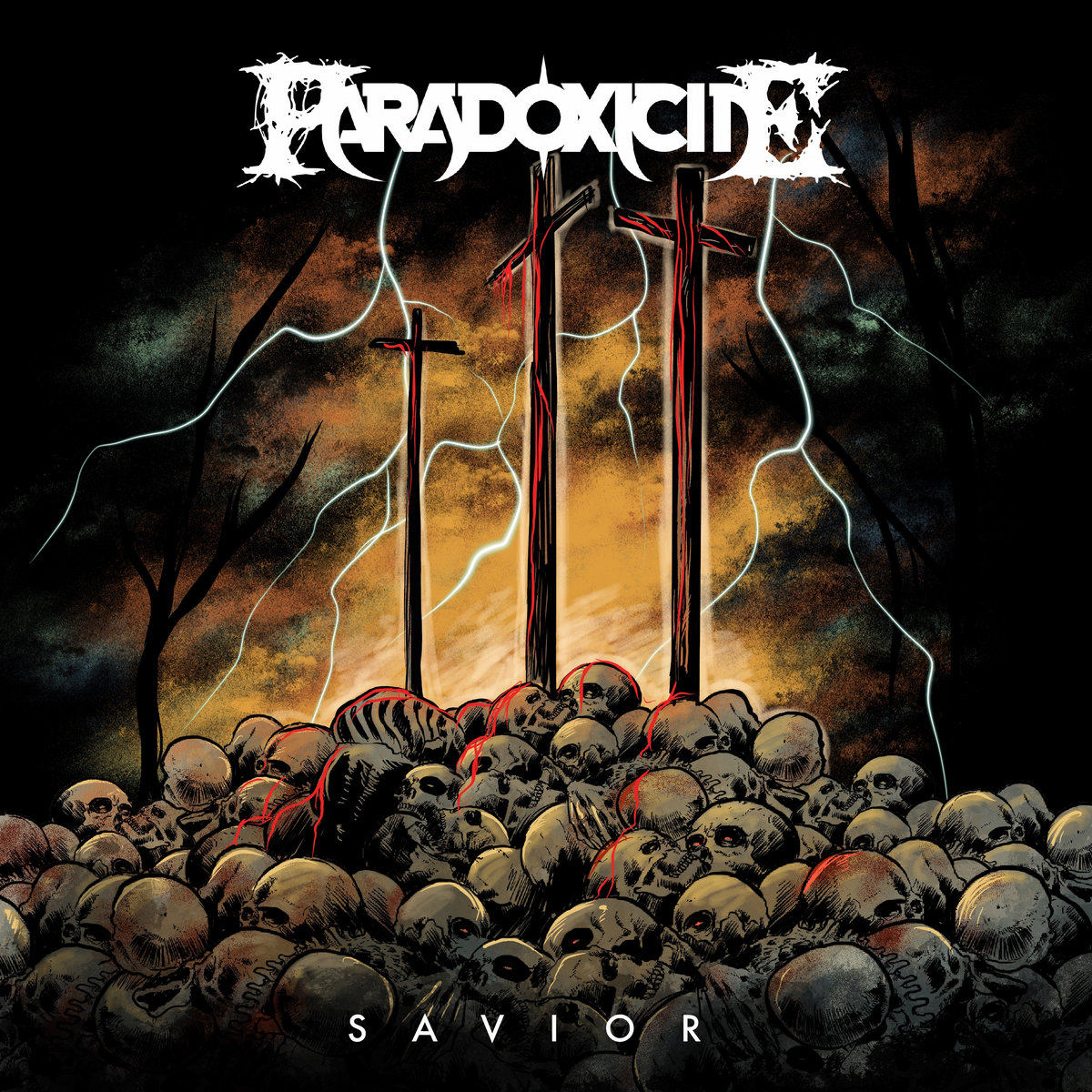
Ohio's metal scene has always benefited from this kind of creative diversity. The state's geographical position and industrial heritage have fostered metal communities that appreciate both traditional approaches and innovative experimentation. Bands like Paradoxicide and Citizen X exemplify this balance, incorporating thrash metal's aggressive foundations while exploring groove metal and death metal elements that expand their sonic possibilities.

The key insight from both announcements is that successful metal evolution requires understanding your genre's core principles before attempting to transcend or modify them. Slayer's "Hell Awaits" remains compelling four decades later because it mastered thrash metal's fundamental elements—speed, precision, and intensity—before adding their own distinctive characteristics. Similarly, Nine Inch Nails can successfully collaborate with electronic producers because their industrial metal foundation provides a strong platform for experimentation.
Anniversary Culture and Metal Heritage
The elaborate presentation of Slayer's anniversary reissue also reflects metal culture's growing sophistication regarding its own history and legacy. Unlike many music genres that treat older material as obsolete, metal has developed a thriving anniversary and reissue culture that celebrates foundational recordings while introducing them to new audiences.

This trend has created opportunities for both major labels and independent metal acts to revisit and recontextualize their catalogs. Ohio bands with substantial discographies can learn from how veteran acts package and present anniversary releases, using these projects to strengthen fan relationships and attract new listeners who might have missed earlier material.
The success of anniversary projects also demonstrates metal fans' willingness to invest in high-quality physical releases when they offer genuine value beyond simple re-pressing. Comprehensive liner notes, bonus tracks, and premium packaging can transform anniversary releases into significant revenue sources while celebrating artistic achievements.

Cross-Genre Collaboration Opportunities
The Nine Inch Nails and Boys Noize collaboration highlights how metal and industrial acts can benefit from partnerships with artists from adjacent genres. Electronic music producers bring technical expertise and production approaches that can enhance metal recordings, while metal musicians contribute songwriting intensity and performance energy that electronic producers often lack.
Ohio's diverse music scene provides numerous opportunities for these types of collaborative projects. The state's electronic music communities, particularly in cities like Columbus and Cincinnati, include producers and programmers who could bring fresh perspectives to metal recordings. Similarly, Ohio metal musicians could contribute to electronic projects that need heavier elements or more aggressive sonic textures.
These collaborations can also expand audience reach by introducing metal bands to electronic music fans and vice versa. As streaming platforms make genre boundaries increasingly fluid, bands that can appeal to multiple musical communities often achieve greater commercial success and creative satisfaction.
Looking Forward: Innovation Within Tradition
Both the Slayer anniversary and Nine Inch Nails collaboration ultimately demonstrate that metal's continued vitality depends on balancing respect for foundational achievements with willingness to explore new creative territories. This balance has always been crucial for Ohio's metal scene, which has produced both traditionalist bands that celebrate classic metal approaches and innovative acts that push genre boundaries.
As Ohio metal bands plan their own creative strategies, these examples provide valuable guidance for navigating the tension between tradition and innovation. Whether pursuing anniversary projects that celebrate past achievements or collaborative ventures that explore new sonic possibilities, successful metal acts understand their genre's history while remaining open to future evolution.
The thriving nature of both approaches suggests that Ohio's metal scene can support diverse creative strategies simultaneously. Bands don't need to choose between traditional and experimental approaches—they can embrace both, using foundational knowledge to inform innovative exploration while maintaining the intensity and authenticity that define great metal music.