Iron Maiden's Hall of Fame Victory Sparks Debate About Metal's Legacy While Family Values Revival Could Transform Festival Scene
Iron Maiden's long-overdue induction into the Rock and Roll Hall of Fame for 2026 has ignited passionate discussions across metal communities about recognition, legacy, and the evolving definition of what constitutes "rock and roll" in an institution historically dismissive of heavy metal.
The British heavy metal legends join an eclectic class that includes Joy Division/New Order, Billy Idol, and Wu-Tang Clan, marking a significant shift in the Hall of Fame's approach to honoring heavier music. For decades, metal bands have been systematically overlooked despite their massive cultural impact and innovative musical contributions. Maiden's inclusion represents more than just belated recognition—it signals a potential opening for other metal pioneers who've been waiting in the wings.
This development resonates particularly strongly in Ohio, where metal scenes from Cleveland to Cincinnati have long operated under the shadow of coastal markets while producing world-class talent. The recognition of a band like Iron Maiden validates the genre's artistic merit and could inspire renewed attention to regional metal scenes that have been quietly developing their own innovative approaches to heavy music.
The Family Values Revival Question
Meanwhile, Korn guitarist James "Munky" Shaffer's recent push for a Family Values Tour revival has sparked excitement among fans who remember the late '90s festival's impact on alternative metal's mainstream breakthrough. Shaffer's advocacy for bringing back the multi-genre festival format comes at a time when the festival landscape desperately needs fresh concepts beyond the typical summer metal package tours.
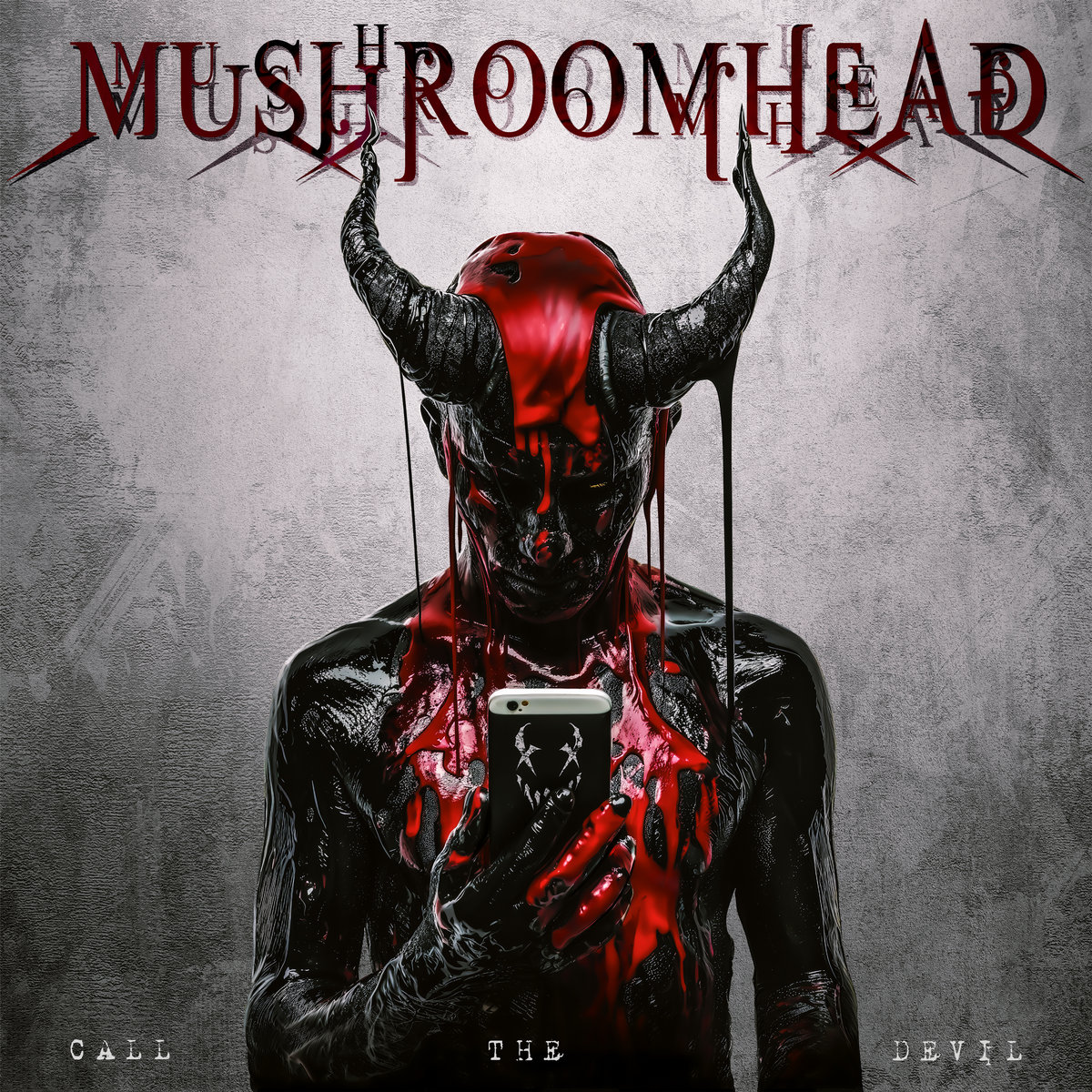
The original Family Values Tours were instrumental in exposing audiences to diverse heavy music styles, from nu-metal to industrial to hardcore punk. A modern revival could provide crucial exposure opportunities for regional acts that struggle to break beyond their local scenes. For Ohio's metal community, such a platform could be transformative, offering bands like Mushroomhead and emerging acts the chance to reach broader audiences alongside established headliners.
The timing seems particularly relevant as metal festivals nationwide grapple with lineup diversity and audience engagement challenges. Recent festival programming has often felt predictable, recycling the same headliners while ignoring the creative ferment happening in regional scenes. A revived Family Values concept could address these issues by prioritizing musical innovation over pure name recognition.
Technology Meets Metal Tradition
Kiss's announcement of their upcoming Las Vegas avatar show, scheduled for 2028, represents another fascinating development in how legacy acts are adapting to changing entertainment landscapes. The concept of digital avatars performing alongside new music suggests that even the most theatrical metal acts are exploring ways to extend their careers beyond traditional touring limitations.
This technological innovation raises intriguing questions for Ohio's metal scene. While local bands may not have access to cutting-edge avatar technology, the broader trend toward digital innovation in live performance could create new opportunities for creative expression. Bands that master live streaming, virtual reality integration, or interactive digital experiences might find themselves ahead of the curve as the industry continues evolving.
The avatar concept also highlights metal's ongoing relationship with spectacle and performance art. Ohio has a rich history of theatrical metal acts, and this technological evolution could inspire a new generation of bands to push creative boundaries in their live presentations.
Regional Scene Implications
These national developments create ripple effects throughout regional metal communities. Iron Maiden's Hall of Fame recognition validates heavy metal as a legitimate art form worthy of institutional recognition, potentially encouraging more serious critical attention to local scenes that have been dismissed as niche markets.
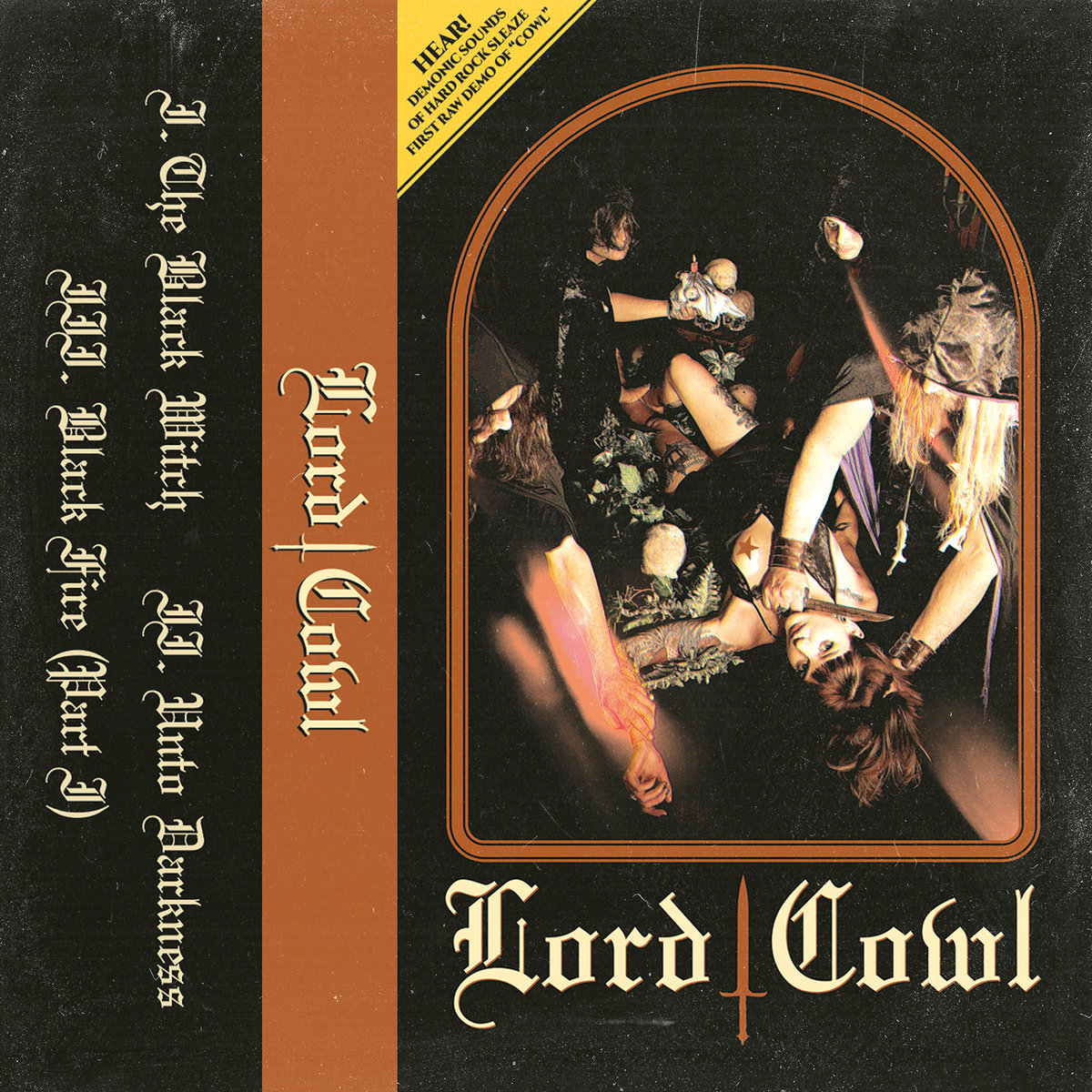
For Ohio's diverse metal landscape, spanning from death metal pioneers to thrash innovators to doom experimentalists, increased genre legitimacy could translate into better media coverage, more venue support, and greater industry attention. Bands like Cowl in the black metal realm or Animal carrying forward traditional heavy metal traditions could benefit from an environment where metal receives more mainstream respect.
The potential Family Values revival particularly excites because it suggests a return to festival programming that prioritizes musical diversity and scene-building over pure commercial appeal. Ohio's metal scene thrives on cross-pollination between genres, with death metal bands sharing bills with thrash acts and doom bands collaborating with hardcore groups.
Looking Forward
As 2026 approaches, these developments suggest that metal is entering a period of both technological innovation and institutional recognition. The challenge for regional scenes will be leveraging these broader trends to create local opportunities and build sustainable communities.
Ohio's metal scene has always operated with a DIY ethic and strong community bonds, qualities that become more valuable as the industry fragments and decentralizes. While avatar shows and Hall of Fame inductions grab headlines, the real work of building lasting metal communities happens in small venues, local studios, and grassroots promotion efforts.
The key is finding ways to connect local innovation with national trends without losing the authenticity that makes regional scenes valuable in the first place. Whether that means incorporating new technology into live shows, pushing for inclusion in revived festival concepts, or simply using increased genre legitimacy to advocate for better local venue support, Ohio's metal community has opportunities to shape its own future.
Iron Maiden's Hall of Fame induction proves that persistence and artistic integrity eventually receive recognition. That lesson applies as much to Cleveland's death metal underground as it does to British heavy metal legends. The question now is how Ohio's metal scene will capitalize on this moment of genre validation to strengthen its own foundations and expand its reach.
From experimental black metal pushing atmospheric boundaries to traditional heavy metal bands keeping classic sounds alive, Ohio's metal diversity positions it well for an era that seems increasingly open to recognizing metal's creative contributions. The challenge will be making sure that recognition translates into tangible opportunities for the bands and venues that keep the scene alive.