Veteran Metal Icons Recruit Fresh Blood While World-Weary Legends Voice Growing Industry Cynicism
The metal world is experiencing a fascinating generational shift as established bands inject new blood into their lineups while veteran voices express mounting pessimism about the state of both the music industry and the world at large. This dichotomy between renewal and disillusionment reveals deeper tensions within heavy music's ongoing evolution.
Fresh Faces Join Established Powerhouses
Massachusetts hard rock veterans Godsmack are setting the stage for 2026 with significant lineup changes, bringing guitarist Sam Koltun and drummer Wade Murff into their touring configuration. The recruitment comes as frontman Sully Erna discusses the band's upcoming live release, captured during their sold-out performance at Mohegan Sun Arena last October. This strategic infusion of younger talent into an established act represents a broader trend of metal bands touring 2026 with refreshed lineups designed to extend their creative lifespan.
Similarly, North Carolina sludge metal legends Corrosion of Conformity continue expanding their touring roster, recently debuting new drummer Nick Shabatura at Atlanta's Hell at The Masquerade. Guitarist Woody Weatherman's commitment that "as long as we're still here, we'll be touring" underscores how veteran acts are embracing personnel changes as a path to longevity rather than stagnation.
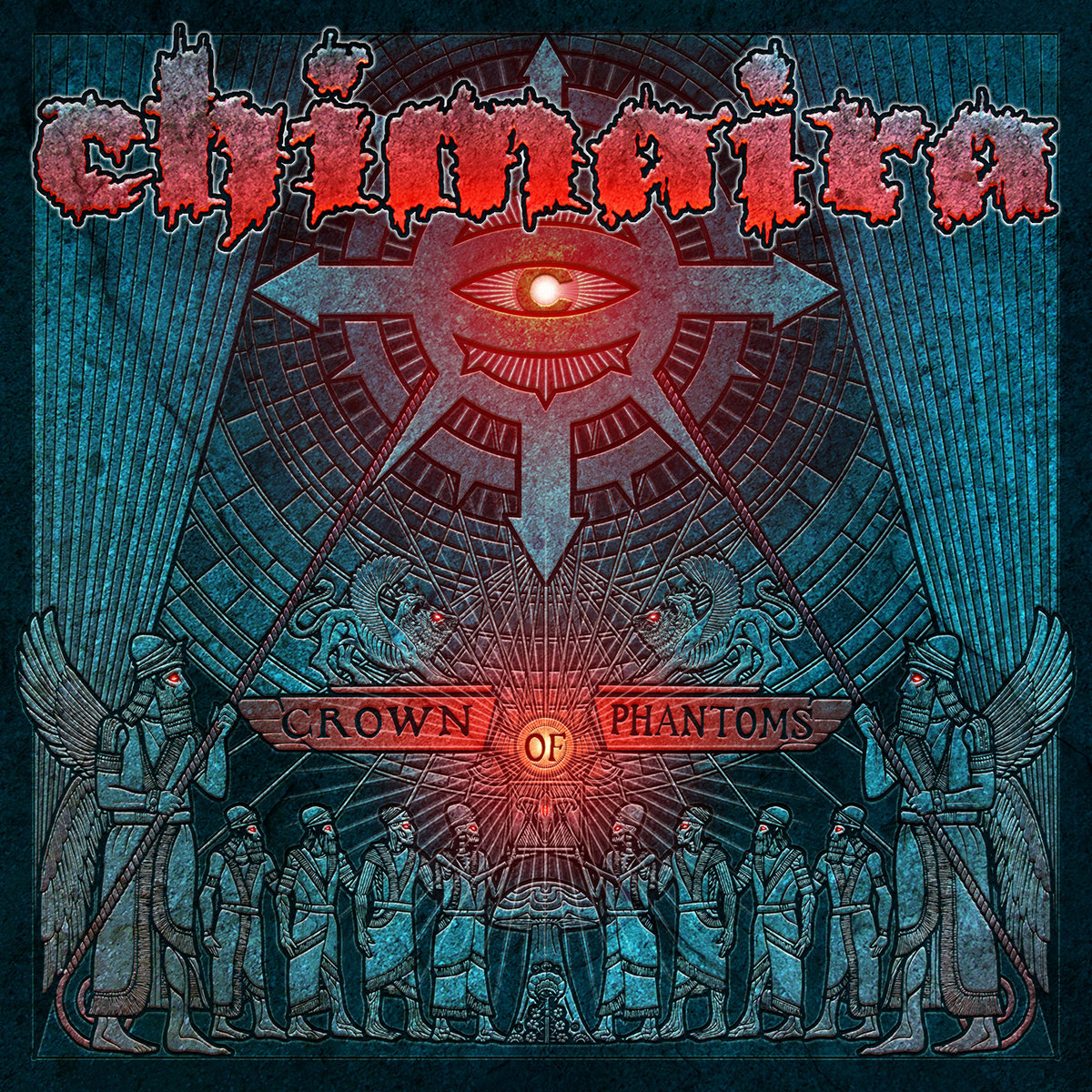
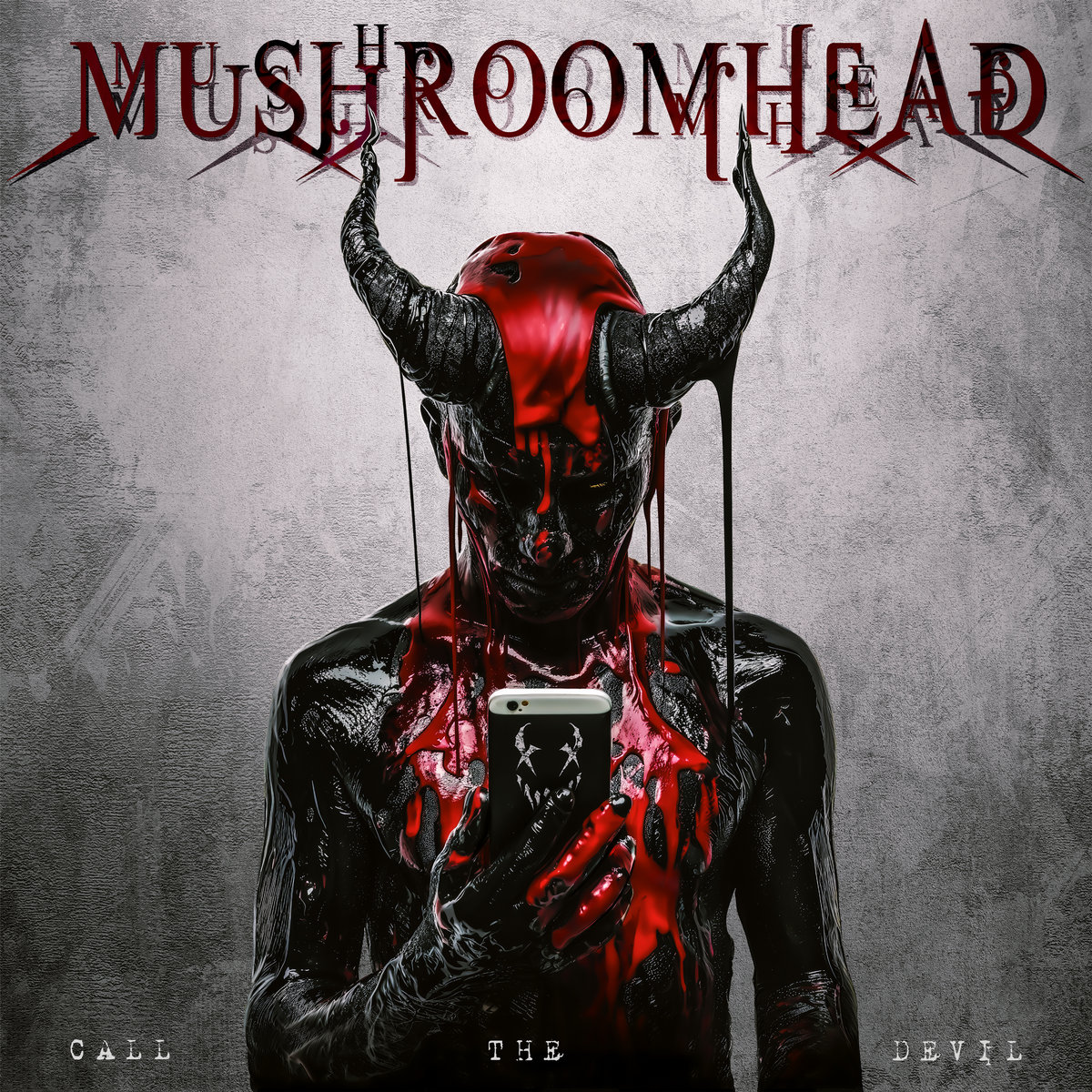
For Ohio's established acts like Chimaira and Mushroomhead, these examples demonstrate how strategic lineup evolution can reinvigorate decades-old bands without compromising their core identity. The Buckeye State's metal scene has always understood the importance of balancing tradition with innovation, something these national examples reinforce.
World-Weary Voices Echo Industry Pessimism
While some bands embrace renewal, prominent voices in metal are expressing deep pessimism about current cultural and industry conditions. Tool and Puscifer mastermind Maynard James Keenan recently declared that "the fucking world is on fire" and "we've lost the fucking way," articulating frustrations that resonate throughout heavy music communities.
Within Temptation's Sharon Den Adel echoes similar sentiments, suggesting the world was "a better place" when her band formed three decades ago. These statements from influential figures reflect broader industry anxieties about streaming economics, social media's impact on authentic fan connections, and the increasingly polarized cultural landscape that metal artists must navigate.
This pessimism contrasts sharply with the determined optimism of bands recruiting new members and planning extensive tours. The tension between world-weary cynicism and stubborn creative persistence defines much of metal's current moment, creating space for both introspective doom and aggressive renewal.
Ohio's Heavy Metal Inheritance and Modern Challenges
Ohio's heavy metal heritage offers unique perspective on these industry tensions. The state produced some of the most enduring 80s metal bands while fostering a contemporary scene that balances commercial ambition with underground credibility. Columbus doom outfit Three and Cleveland progressive metallers Arena represent different approaches to maintaining relevance in an increasingly fragmented musical landscape.
The recruitment strategies employed by Godsmack and Corrosion of Conformity offer templates for how Ohio bands might approach their own evolution. Rather than viewing lineup changes as creative compromise, these examples suggest strategic personnel decisions can actually strengthen artistic vision while expanding audience reach.
Touring Economics and Creative Sustainability
The contrast between Corrosion of Conformity's touring commitment and Kip Winger's "never say never" approach to future live performances highlights how veteran acts are wrestling with sustainability questions. Winger's band previously announced touring retirement but has since booked 2026 dates, illustrating how economic realities often override artistic intentions.
For emerging Ohio acts, these examples demonstrate the importance of building sustainable touring models from the beginning. The state's geographic position offers strategic advantages for Midwest and East Coast routing, but bands must balance touring frequency with creative development and day-job responsibilities.
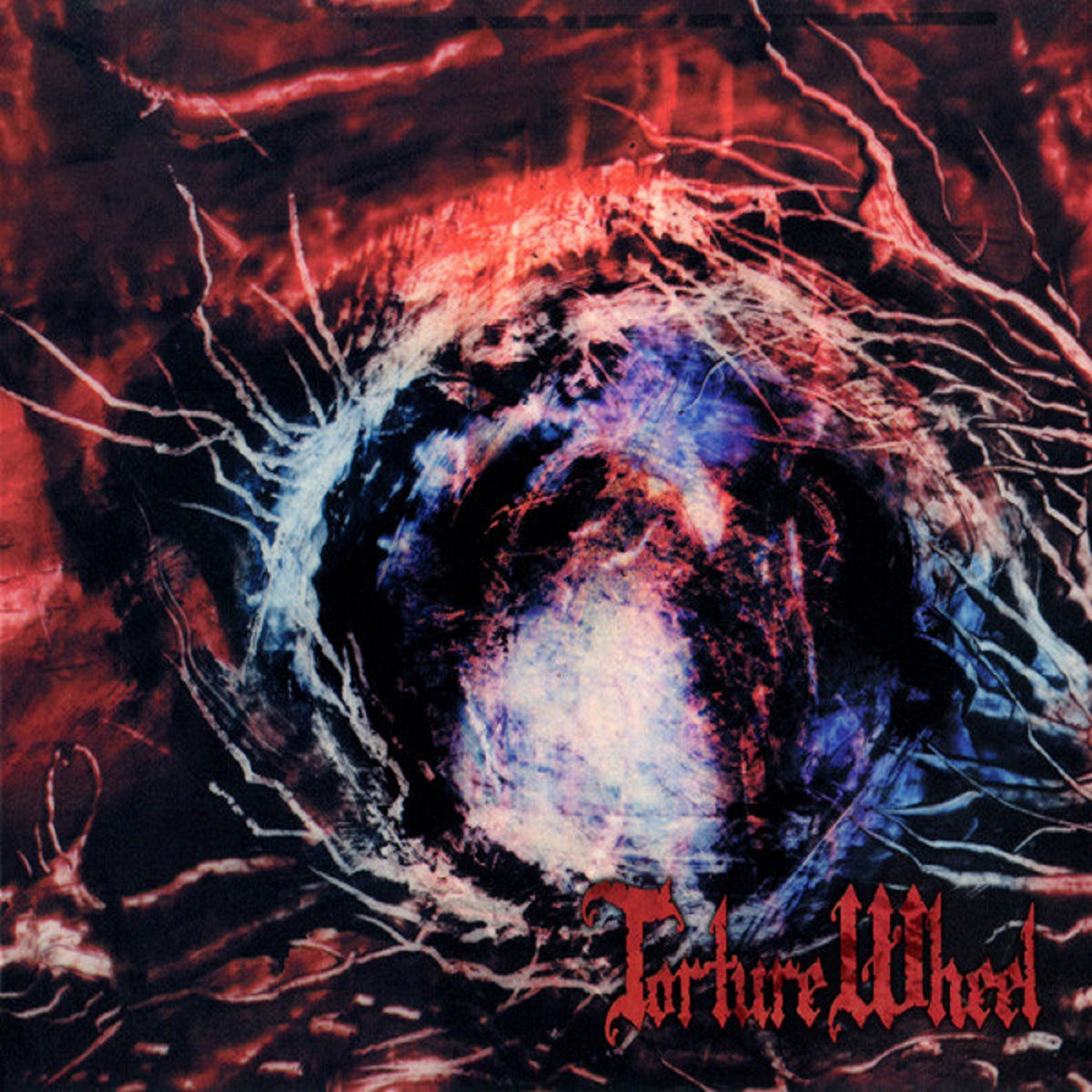
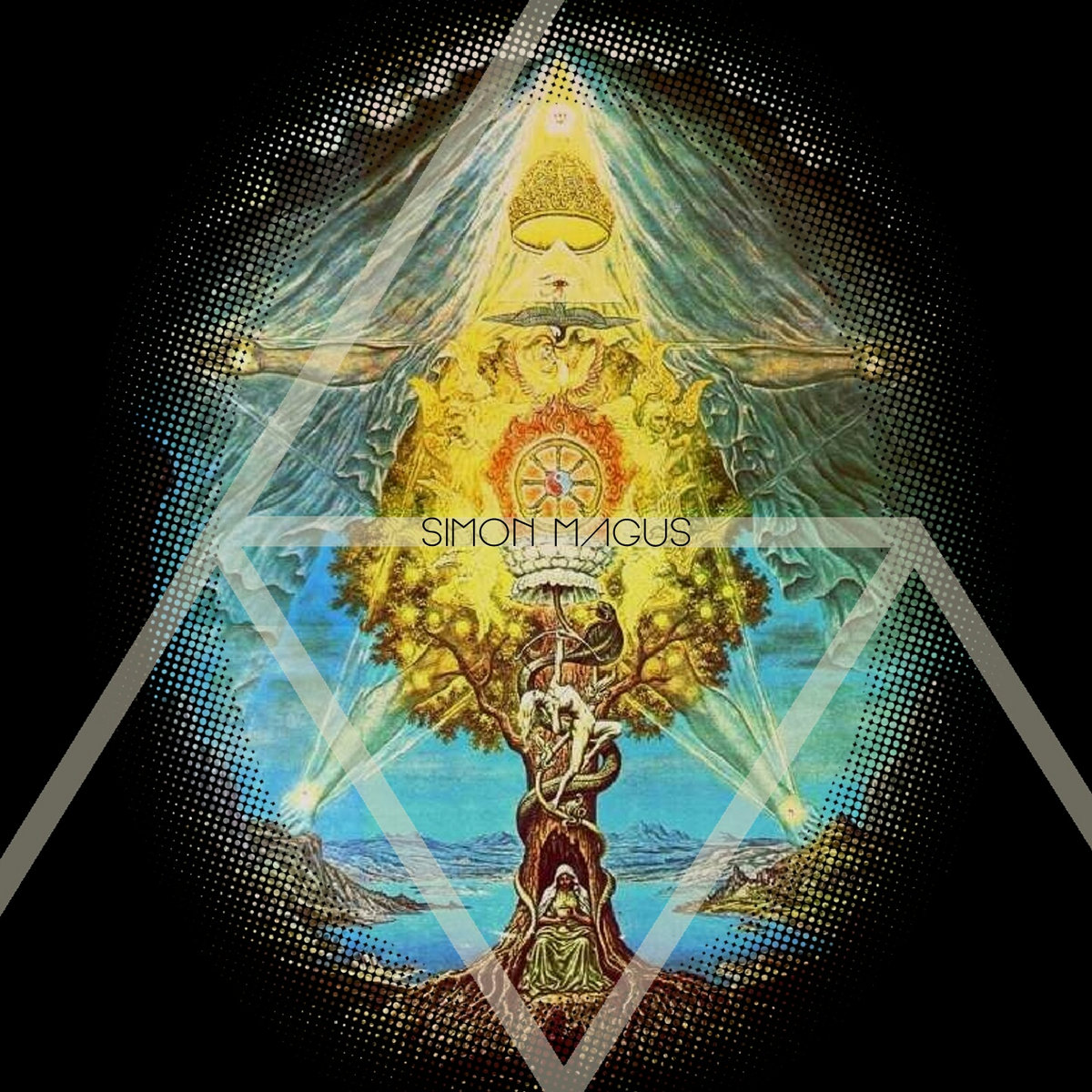
International touring announcements like Bell Witch and Aerial Ruin's North American dates show how specialized subgenres can still command touring audiences. Ohio doom acts like Torture Wheel and Simon Magus operate in similar atmospheric territories, suggesting regional bands can learn from these touring strategies.
Cross-Generational Collaboration and Creative Partnerships
Atreyu's collaboration with Sepultura legend Max Cavalera on their latest single demonstrates how established acts are leveraging cross-generational partnerships to maintain relevance. The track appears on their upcoming album 'The End is Not the End,' suggesting strategic guest appearances can generate significant buzz for veteran bands.
Legendary rock act Cactus recently demonstrated similar collaborative energy, featuring guests including Billy Sheehan, Doug Aldrich, and King's X vocalist Doug Pinnick at their album release concert. These multi-generational showcases highlight how established artists can create event-style performances that transcend typical touring formulas.
Ohio's metal community has always valued mentorship and cross-pollination between veteran and emerging acts. These national examples reinforce how collaboration can benefit both established artists seeking fresh energy and younger musicians gaining industry experience and exposure.
Festival Innovation and Regional Opportunities
Festival lineup changes, like Skindred replacing Nothing More at Bulgaria's Hills Of Rock, demonstrate how international events adapt to booking challenges while maintaining quality programming. These adjustments create opportunities for bands positioned to step into prominent slots on short notice.
Regional festivals and venue partnerships remain crucial for Ohio acts building sustainable careers. The state's venue infrastructure, from intimate clubs to amphitheater stages, provides natural progression paths for bands developing their live performance capabilities.
Looking Ahead: Balancing Pessimism and Persistence
The current moment in heavy music reveals fundamental tensions between industry veterans' growing pessimism and their continued creative output. Bands like Godsmack and Corrosion of Conformity represent the "stubborn persistence" camp, using lineup changes and touring commitment to push against industry headwinds.
Meanwhile, voices like Maynard James Keenan and Sharon Den Adel articulate the frustrations many artists feel about contemporary cultural and economic conditions. Rather than contradicting each other, these perspectives suggest metal's current complexity.
For Ohio's metal scene, these tensions create both challenges and opportunities. Bands that can balance realistic assessment of industry difficulties with strategic planning and creative innovation may find themselves well-positioned for whatever comes next. The new metal bands 2026 emerging from the Buckeye State will inherit both the veteran wisdom of established acts and the experimental energy that has always defined the region's heavy music identity.
The recruitment of fresh talent by established bands suggests the metal ecosystem remains capable of renewal, even as its elder voices express growing concerns about the world they're creating music within. This dynamic tension may ultimately prove more creatively productive than simple optimism or resignation alone.