Doom Metal Surges as Brazilian Thrash Veterans Drive International Momentum
The heavy music underground is witnessing a powerful resurgence of doom metal, led by Brazilian thrash veterans Nervosa whose latest album "Slave Machine" demonstrates how established acts are embracing slower, more atmospheric approaches. This shift toward doom-laden soundscapes reflects a broader evolution in extreme metal, one that Ohio's burgeoning scene is perfectly positioned to capitalize on.
Brazilian Thrash Evolution Signals Genre Fluidity
Nervosa's trajectory from pure thrash aggression to incorporating doom elements in their newest material represents a significant trend across metal's international landscape. The band's latest single "Impending Doom" showcases this evolution, blending their established thrash foundation with crushing, slower passages that demonstrate remarkable genre fluidity. This approach mirrors what many veteran acts are discovering: that survival in modern metal requires creative expansion beyond original stylistic boundaries.
The timing couldn't be better for Ohio's doom metal practitioners. Bands like Tomorrow have been crafting their own brand of crushing atmosphere, and the international spotlight on doom-influenced material creates opportunities for regional acts to gain wider recognition. The genre's emphasis on atmosphere over speed allows for deeper emotional connection with audiences seeking substance over flash.
International Tour Disruptions Reshape Metal Logistics
The recent injury forcing Primal Fear's Mat Sinner to miss South American dates highlights ongoing challenges facing international touring acts. These disruptions create ripple effects throughout the metal ecosystem, often opening doors for regional bands to fill gaps in touring circuits. When major acts face lineup changes or cancellations, venues and promoters increasingly turn to local and regional talent to maintain their programming schedules.
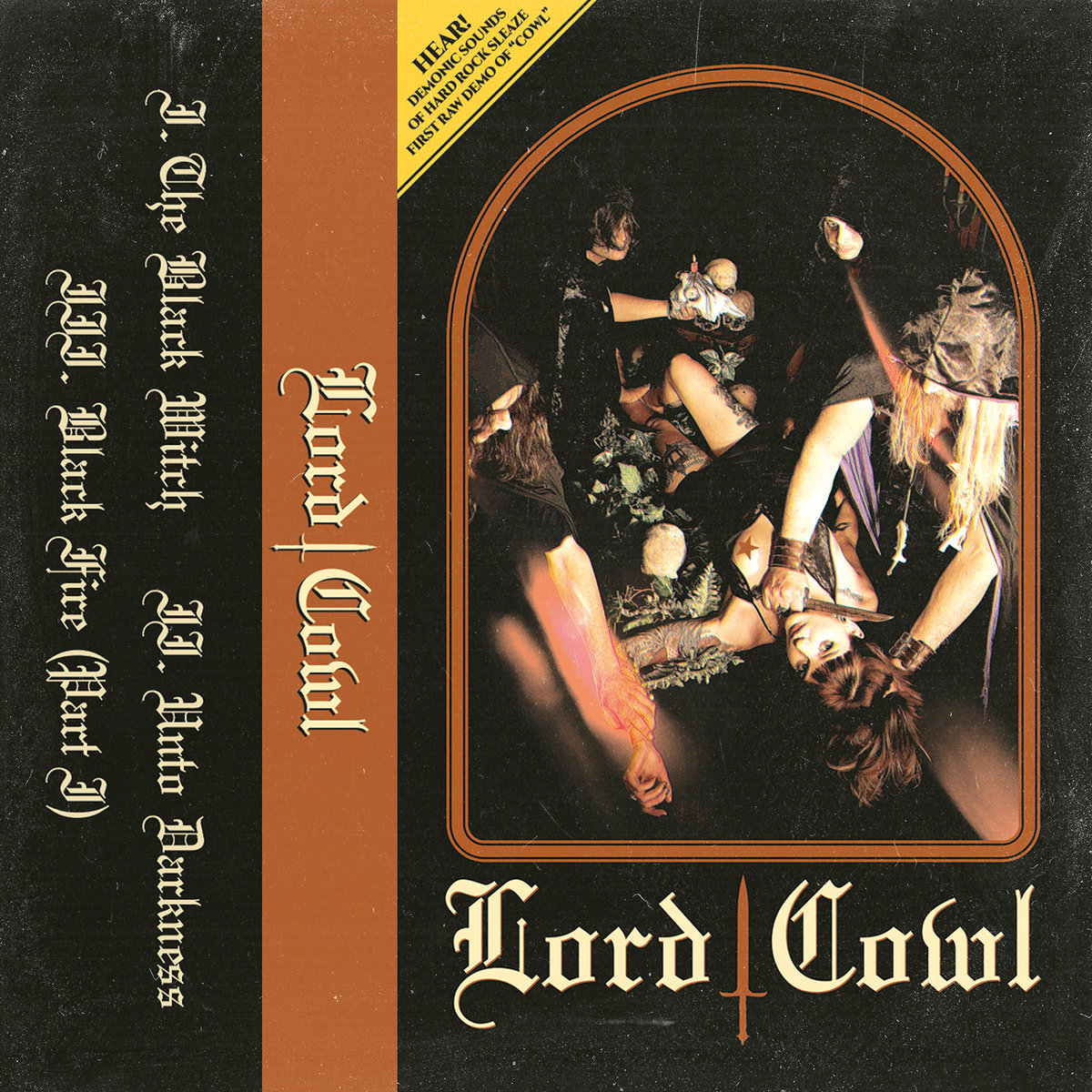
Ohio's metal scene benefits significantly from these industry shifts. The state's central location makes it an ideal touring stop, while its diverse metal landscape provides options across multiple subgenres. From the crushing doom of Witchhelm to the raw black metal intensity of Cowl, Ohio acts are positioned to capitalize when touring opportunities arise unexpectedly.
Cover Songs as Creative Bridges
The recent release of (16)'s interpretation of Black Flag's "Beat My Head Against the Wall" exemplifies a growing trend of established metal acts using cover songs to explore their creative DNA. These reinterpretations serve multiple purposes: they connect bands with their influences, introduce younger audiences to classic material, and provide creative outlets between original album cycles.
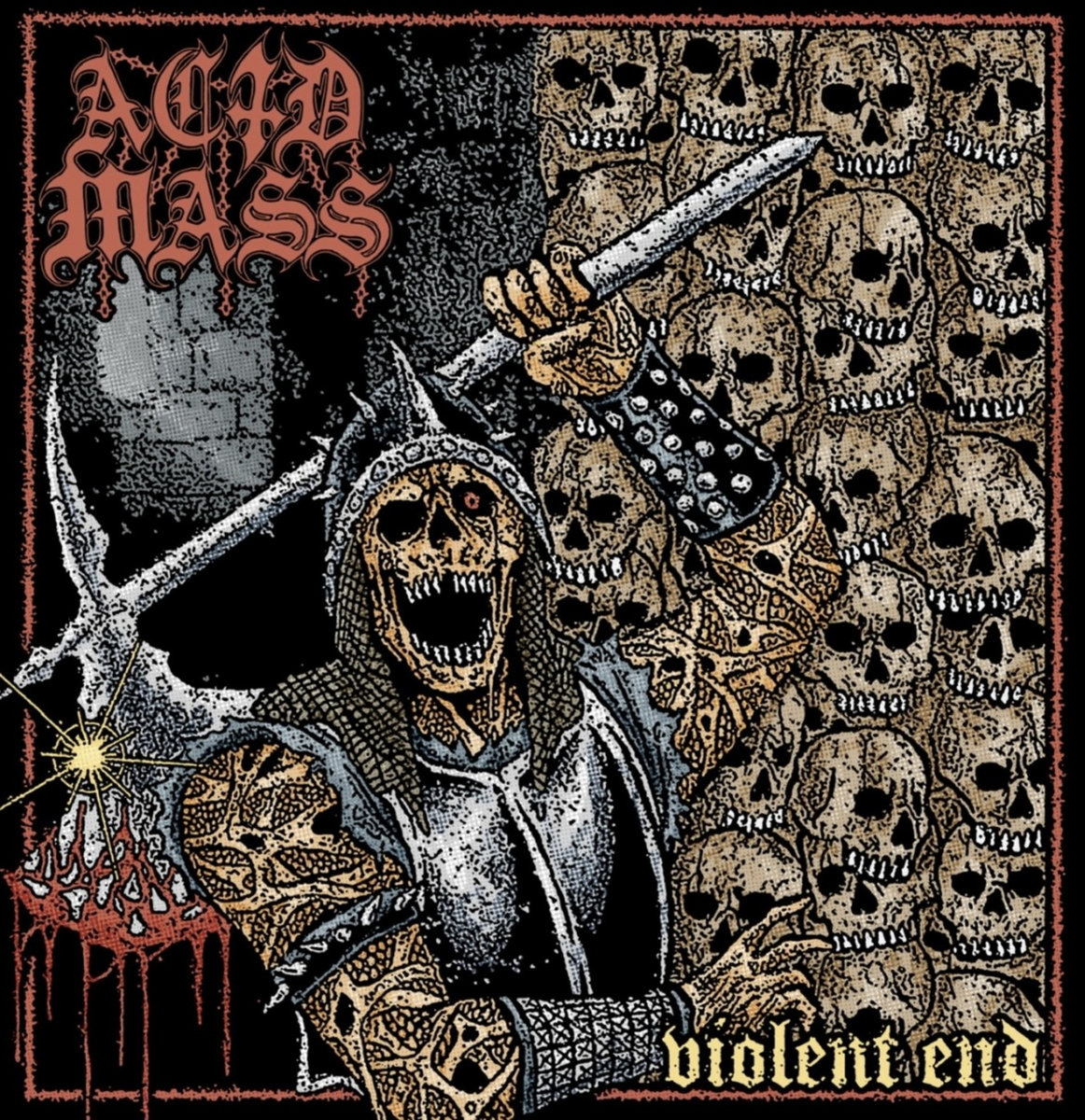
For Ohio's metal community, this cover song renaissance offers valuable lessons in artistic development. Bands like Acid Mass and other thrash acts can examine how their influences translate through modern production techniques and contemporary songwriting approaches. The key lies in selecting source material that genuinely resonates with a band's artistic vision rather than chasing trends or attempting to capture reflected glory.

Festival Programming Points to 2026 Metal Landscape
King Gizzard & The Lizard Wizard's announcement of their 2026 'Field Of Vision' festival lineup, featuring punk legend Jello Biafra and former Slipknot drummer Jay Weinberg, signals where festival programming is heading. The emphasis on cross-genre pollination and intergenerational collaboration creates opportunities for acts that embrace stylistic diversity.
Ohio's metal scene is particularly well-suited for this festival evolution. The state's long history of genre-blending acts, from industrial pioneers to crossover thrash innovators, provides a template for the kind of artistic flexibility that modern festival programming demands. Bands that can appeal to multiple demographic segments while maintaining artistic integrity become increasingly valuable in an overcrowded market.
Vocalist Searches and Industry Evolution
Skid Row's extensive vocalist search process, involving hundreds of submissions through their partnership with Sweetwater, represents a new model for band member recruitment. This approach democratizes opportunity while leveraging technology and industry partnerships to reach previously untapped talent pools. The process reflects broader changes in how the music industry discovers and develops talent.
For Ohio musicians, this evolution in talent discovery creates unprecedented opportunities. The traditional gatekeepers of record labels and management companies no longer hold exclusive keys to industry access. Regional scenes can produce world-class talent that gains recognition through digital platforms and innovative recruitment processes. The key for Ohio acts lies in professional presentation and understanding how to navigate these new systems effectively.
Legacy Acts and Creative Renaissance
Multiple veteran acts are experiencing creative renewals, from Triumph's potential new music discussions to Girl Trouble's return after decades of absence. This trend toward legacy act rejuvenation creates a competitive environment where newer bands must prove their relevance alongside established names with decades of history and devoted fan bases.
However, this same environment offers opportunities for intergenerational collaboration and knowledge transfer. Ohio's metal scene benefits from several generations of musicians working simultaneously, creating mentorship opportunities and cross-pollination between old-school approaches and modern techniques. The challenge for newer acts lies in carving out distinct identities while respecting the foundations laid by their predecessors.
Regional Scene Positioning
The current metal landscape rewards regional scenes that can demonstrate both authenticity and professionalism. Ohio's advantages include its industrial heritage, which provides thematic material for heavier music, and its geographic position, which makes it accessible for touring acts and festival programming. The state's diverse metropolitan areas support different metal subgenres, creating a rich ecosystem for artistic development.
Success in this environment requires more than musical competence. Bands must understand industry mechanics, maintain professional standards, and develop sustainable business approaches. The intersection of artistic vision and business acumen determines which acts transition from regional recognition to broader success.
As international metal continues evolving through genre fluidity, technological integration, and changing industry structures, Ohio's metal scene stands positioned to contribute significantly to these developments. The combination of strong musical foundations, geographic advantages, and diverse artistic approaches creates opportunities for Ohio acts to impact metal's continued evolution well into 2026 and beyond.