Ohio Metal's Collaboration Crossroads: Solo Projects and Unexpected Partnerships Signal Scene's Creative Expansion Beyond Traditional Band Boundaries
Beyond the Band: Ohio's Metal Renaissance Through Collaboration
The metal landscape is witnessing a fascinating shift as established artists break from traditional band structures to explore collaborative territories, and Ohio's heavy music scene stands at the epicenter of this creative evolution. While national headlines showcase unexpected partnerships—from Alice Cooper and Suzi Quatro's Detroit-rooted "Kick Out The Jams" revival to Shane Embury's introspective solo venture "Bridge to Resolution"—the Buckeye State's metal underground is quietly orchestrating its own collaborative renaissance that's reshaping how regional scenes approach artistic growth.
This movement transcends the typical side-project narrative. Where previous generations of metal musicians treated solo work as creative outlets separate from their primary bands, Ohio's current crop of artists is using cross-pollination as a deliberate strategy to strengthen the entire regional ecosystem. The approach mirrors what we're seeing nationally with Neurosis welcoming Aaron Turner—a move initially dismissed as "too obvious" but ultimately recognized as necessary reinvention.
The Cincinnati-Columbus Corridor: Experimental Partnerships Take Root
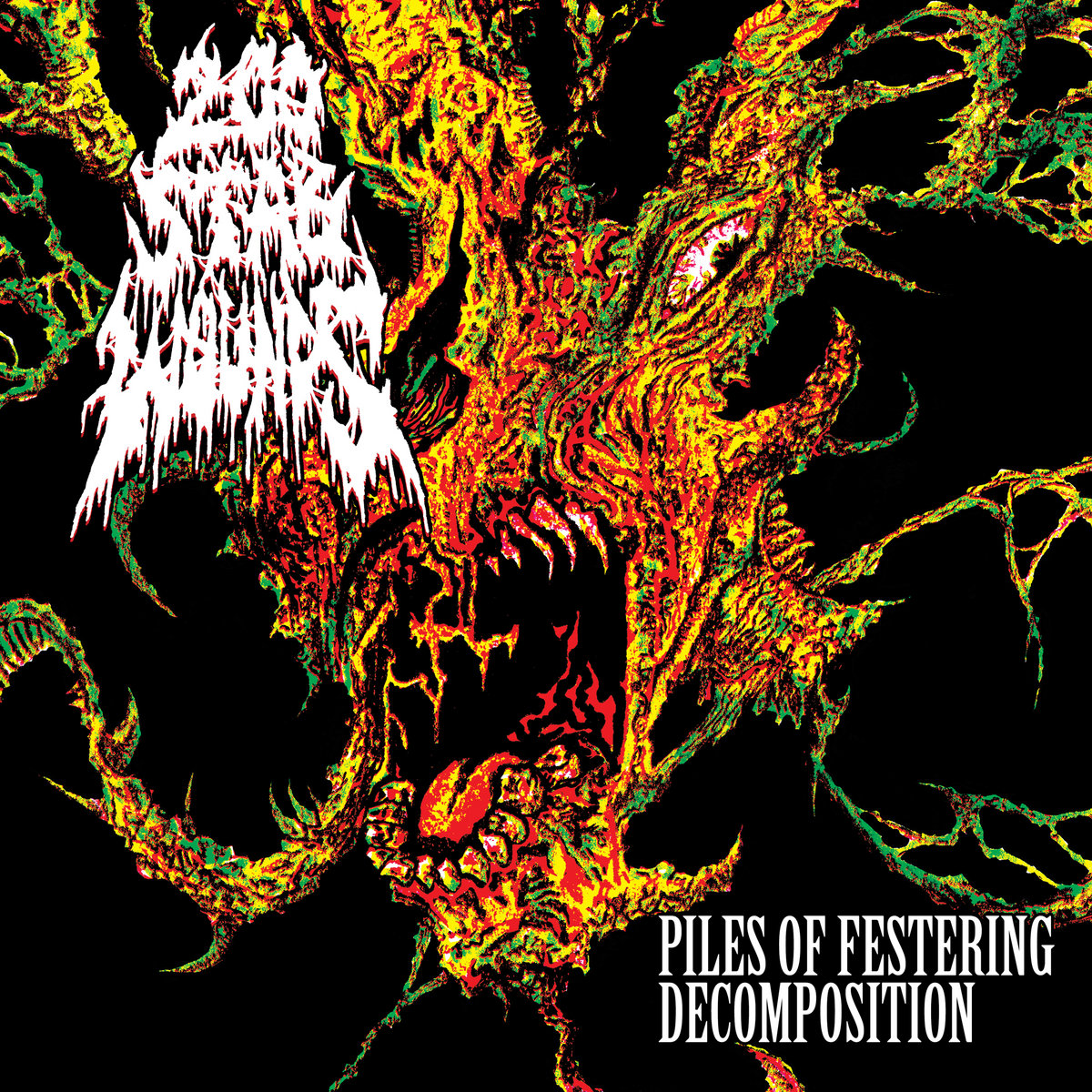
The geographic advantage of Ohio's metal scene—with major cities close enough for regular collaboration but distinct enough to maintain unique identities—has created fertile ground for these partnerships. Acts like 200 Stab Wounds have demonstrated how Cleveland's hardcore intensity can merge with Columbus's technical precision, creating a template that's influencing collaborative efforts across the state.
What's particularly intriguing is how these collaborations are emerging organically through shared touring circuits and studio spaces. Unlike the celebrity duet approach that produces novelty covers, Ohio's metal partnerships are building long-term creative relationships that challenge participants to expand their sonic territories. This mirrors the current national trend toward rougher, more unrefined approaches—the same artistic hunger driving Rival Sons toward their next "really rough" album iteration.
Local veterans are taking notice. Members of established acts like Acheron and Abraded have been spotted at recording sessions for newer bands, not as guests but as co-writers and producers. This mentorship-through-collaboration model is creating knowledge transfer that typically takes scenes decades to develop naturally.
Technology Meets Tradition: The New Ohio Recording Ecosystem
The democratization of recording technology has enabled these partnerships in ways that wouldn't have been feasible even five years ago. Home studios in Toledo are collaborating with Cleveland spaces in real-time, creating composite recordings that capture the distinct characteristics of multiple locations. This distributed approach to metal production is giving Ohio releases a unique sonic signature that's gaining recognition beyond state boundaries.
The technical innovation extends beyond simple remote recording. Bands like Acid Mass and Act of Violence have been experimenting with compositional partnerships where members contribute sections without ever being in the same room, then come together only for final arrangements and live performances. The resulting music carries an intentional tension between cohesion and fragmentation that's becoming a defining characteristic of contemporary Ohio metal.
This isn't just artistic experimentation—it's practical evolution. As touring costs continue to rise and traditional music industry support structures remain unreliable for underground acts, Ohio's metal scene is developing self-sufficient networks that provide both creative stimulation and economic sustainability. The collaboration model allows bands to share resources, from equipment to promotional networks, while maintaining their individual artistic identities.
Genre Boundaries Dissolve: From Hardcore to Atmospheric Black Metal
Perhaps the most exciting development is how these collaborations are breaking down genre boundaries within Ohio's metal scene. Hardcore acts are incorporating atmospheric elements traditionally associated with black metal, while doom-influenced bands are experimenting with punk urgency. This cross-pollination is creating hybrid sounds that don't fit neatly into existing classification systems.
Acts like Aesthesia and Aeon Bridge exemplify this boundary-pushing approach, drawing from their respective technical and atmospheric strengths to create compositions that challenge listener expectations. The willingness to experiment extends to live performances, where collaborative sets might feature members from three or four different bands creating unique evening-length experiences that can't be replicated on recording.
The genre-blending isn't arbitrary—it's driven by genuine artistic curiosity and the recognition that Ohio's metal scene is strong enough to support experimentation. Unlike regions where scenes remain narrowly focused due to limited audiences, Ohio's geographic diversity and strong underground networks provide safety nets for creative risk-taking.
Live Performance Evolution: From Shows to Events
This collaborative spirit is transforming Ohio's live metal scene from traditional band-performs-for-audience models toward more interactive, event-based experiences. Venues across the state are hosting "collaboration nights" where musicians from different acts come together for one-time performances, often featuring compositions written specifically for these events.
The approach is generating genuine excitement among audiences who've grown accustomed to predictable touring packages. When Abyssolotus members join A Karmic Gray for extended instrumental passages, or when hardcore and doom acts share stages for contrast-driven evenings, audiences experience metal as a living, evolving art form rather than a product to be consumed.
These events are also creating new revenue streams for venues and artists alike. Rather than relying solely on traditional touring circuits, Ohio's metal acts are building sustainable local and regional networks that provide consistent performance opportunities while allowing for continuous creative development.
The National Context: Ohio's Model for Regional Scene Development
While national metal media focuses on established artists exploring solo territories—Ron 'Bumblefoot' Thal returning to instrumental music after three decades, or Charlie Benante navigating the complexities of revived legacy acts—Ohio's approach offers a different model entirely. Rather than fragmenting creative energy across individual projects, the state's metal scene is using collaboration to strengthen collective identity while maintaining individual artistic integrity.
This model has implications beyond Ohio. As traditional music industry structures continue to evolve and streaming economics make touring-dependent models increasingly unsustainable for underground acts, regional scenes that develop strong internal collaboration networks may prove more resilient than those that remain focused on external validation.
The timing is particularly relevant as established acts like Anthrax prepare new material after extended breaks, and King Diamond works toward long-awaited releases. These veterans are operating in an increasingly collaborative landscape where cross-genre partnerships and unexpected creative alliances are becoming standard practice rather than novelty exceptions.
Looking Forward: Sustainable Creativity in Uncertain Times
As 2025 progresses, Ohio's metal scene appears positioned to continue leading this collaborative evolution. The infrastructure is in place—recording capabilities, venue networks, and most importantly, artist communities committed to mutual support rather than zero-sum competition. The question isn't whether this model will continue, but whether other regional scenes will adopt similar approaches.
For Ohio metal fans, this means access to increasingly sophisticated and varied musical experiences. For artists, it provides sustainable paths for creative development that don't require sacrificing day jobs or relocating to traditional music centers. For the broader metal community, it offers proof that regional scenes can thrive through internal collaboration rather than external dependence.
The collaborative crossroads Ohio's metal scene currently occupies represents more than artistic trend—it's a fundamental reimagining of how underground music communities can support both individual creativity and collective growth in an era of constant change.